
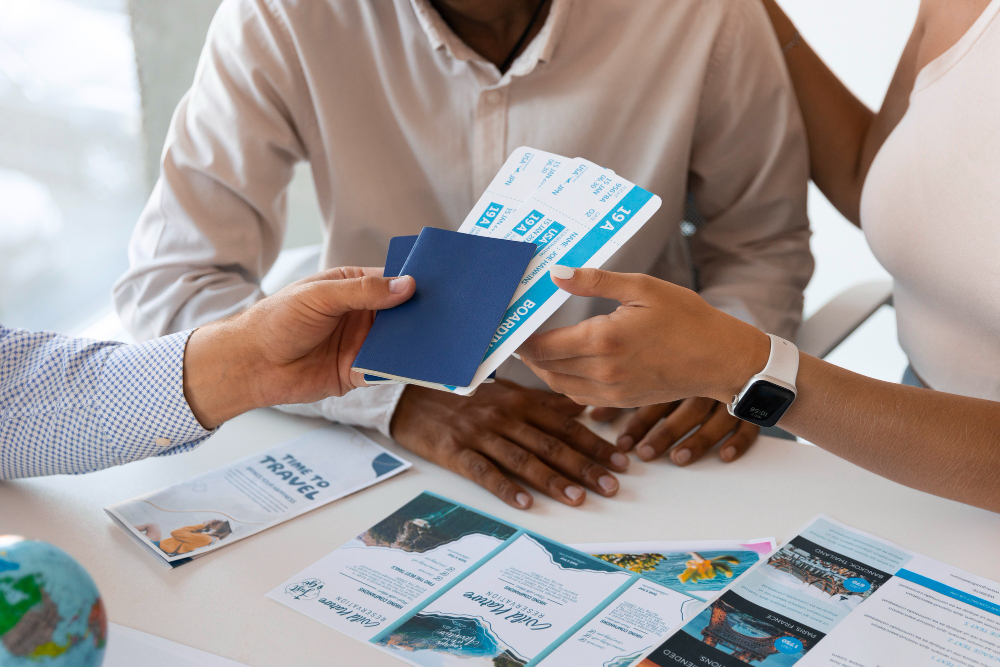
Relocating to a new country offers both excitement and challenges. The visa application process can feel overwhelming. This guide simplifies your journey abroad, providing essential details on visa options, required documents, and tips to streamline international moves.
Visa Types: Choose the Right Path
The first step in your journey is to familiarize yourself with the different visa types available for various countries. Depending on your nationality, life circumstances, and the country you wish to move to, several options may suit your needs.
D7 and D8 Visas
The D7 and D8 visas are often popular choices for individuals aiming to reside in Portugal, particularly American citizens. The D7 visa applies to those with passive income, such as pensions and rental income, whereas the D8 visa caters to individuals with active income from employment or freelancing. Understanding the difference is crucial as both require minimum income thresholds that must be met prior to your application.
D2 and D3 Visas
If you are an entrepreneur or have a job offer in Portugal, the D2 and D3 visas may be the way to go. The D2 visa supports business expansion in Portugal, whereas the D3 visa is specific for highly skilled professionals with guaranteed employment. It’s essential to have a clear plan and related documentation to substantiate your application for these types of visas.
Job Seeker Visa (DP)
For those on a mission to find employment in Portugal, the Job Seeker visa allows up to 180 days for job hunting. During this period, you can participate in job interviews and establish contacts but must secure a job offer to convert your visa into a residency permit. It’s a flexible option, but you should prepare to submit various application documents and maintain an organized schedule to maximize your chances of success.
Key Documentation: What You Need for Your Application
Beyond selecting the appropriate visa, gathering the necessary documentation is crucial for a successful application. Each visa has specific requirements, so it’s essential to be thorough in obtaining the right paperwork.
Income Proof
For any visa application, you must provide evidence of your income. Depending on the visa type, this could include bank statements, tax returns, or employer letters. Ensure to have these documents organized and certified where necessary, as they play a vital role in validating your financial stability.
Background Checks
A clean criminal record is typically required for all visa categories, particularly in the D7 and D8 applications. You may need to prove this by obtaining a background check from your home country. Always check the latest requirements, as each consulate may have slightly different criteria.
Health and Travel Insurance
Health insurance is necessary for those moving abroad, as it provides coverage during your stay. Ensure your travel insurance is valid for at least four months upon arrival, meeting specific criteria for any emergencies. Having a comprehensive plan in place will prevent future complications related to your health once you arrive.
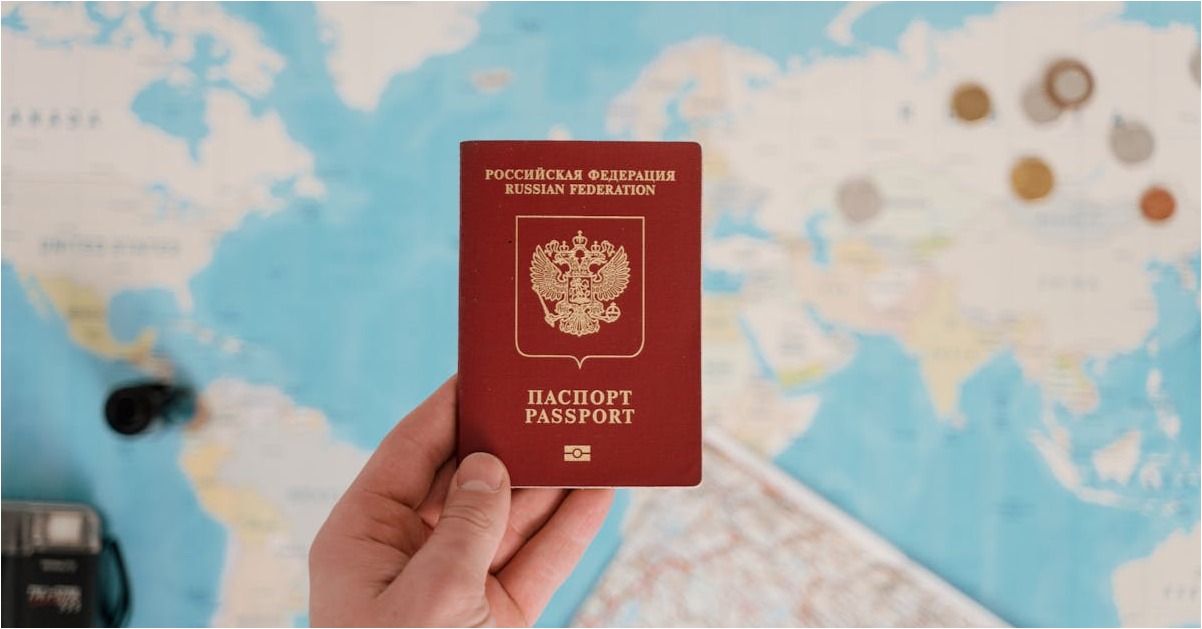
Streamlining the Application Process
While assembling documentation, it’s advantageous to keep things organized and efficient. Some strategies can help reduce stress and lead to a smoother application process.
Start Early
Begin the application process as early as possible. This allows more time to retrieve necessary documents and rectify any potential issues that may arise. Additionally, apply for your visa at your local consulate to avoid delays associated with distance or appointment schedules.
Professional Guidance
Engaging a professional service specializing in visa applications can save you both time and frustration. Experienced advisors can help guide you through the often-complex paperwork and prevent minor mistakes that can lead to significant delays or denials.
Be Flexible
The visa process may not always follow a linear path. Be prepared for potential changes in requirements and timelines, as bureaucracy can introduce unexpected hurdles. Maintaining an adaptable mindset will help you navigate these challenges more effectively.
Life After Approval: Settling In
Once you’ve successfully secured your visa, the real adventure begins: settling into your new environment. Understanding local customs and regulations can significantly ease your transition.
Housing and Community Integration
Finding the right neighborhood is essential for a smooth transition. Research potential areas suited to your lifestyle—be it a vibrant urban center or a peaceful suburban enclave. Moreover, consider involving local contacts or expatriate communities, as these connections can provide valuable insights into local culture and resources.
Understanding Local Regulations
Familiarizing yourself with local laws, such as tax obligations and employment regulations, will help you avoid potential pitfalls. Every country has its rules concerning residency, and ensuring compliance will facilitate a hassle-free stay.
Bridging Cultural Gaps
Adjusting to a new culture can take time. Engage with locals to learn about cultural norms and practices, and consider language classes to improve communication skills. Becoming culturally savvy will enhance your overall experience and help you adapt more swiftly.
In summary, moving internationally is a significant decision that requires planning and awareness of various visa applications and documentation requirements. By choosing the right visa, gathering essential paperwork, and embracing cultural differences, you can simplify the relocation process and make the most of your new adventure.
If you’re considering an international move, reach out for specialized assistance tailored to your unique needs. Their expert team can guide you every step of the way in making your relocation as seamless as possible!