
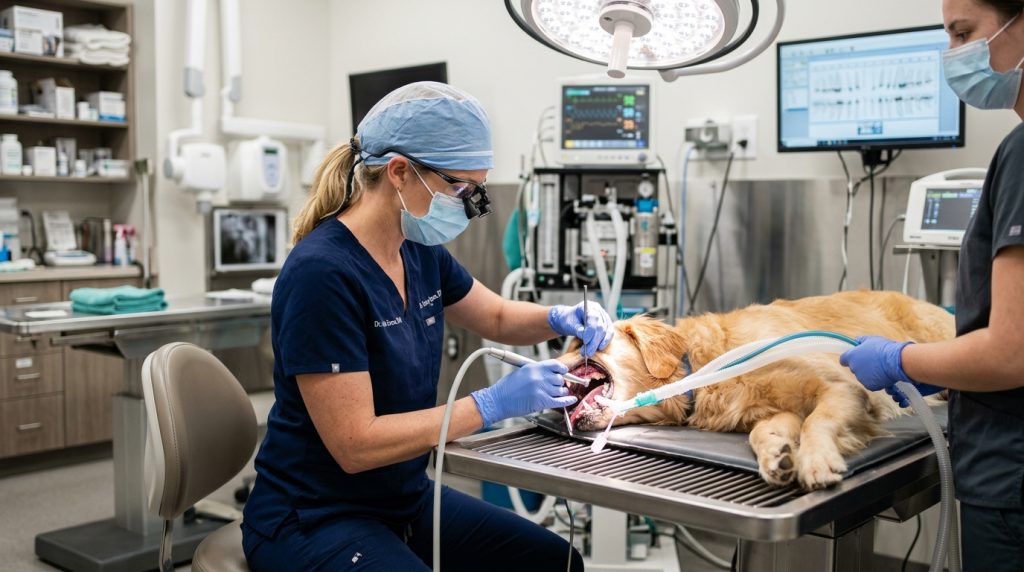
Furcation probing depth helps veterinary dentists assess periodontal disease in teeth with multiple roots. This measurement reveals tissue and bone loss between roots, supporting accurate diagnosis and appropriate treatment decisions. Veterinarians use these findings alongside dental radiographs and other periodontal assessments to evaluate tooth stability.
Furcation Probing Depth in Veterinary Dentistry
Furcation probing depth describes how far a periodontal probe enters the space between the roots of a multirooted tooth. Healthy tissues usually limit probe penetration, while periodontal destruction can expose deeper areas.
Furcation Probing and Periodontal Assessment
Veterinary dentists examine furcations because plaque accumulation and inflammation can damage supporting tissues around tooth roots. Cats and dogs commonly develop periodontal disease, which may progress beneath the gumline without obvious external signs. Probing helps clinicians identify these changes during a comprehensive oral examination.
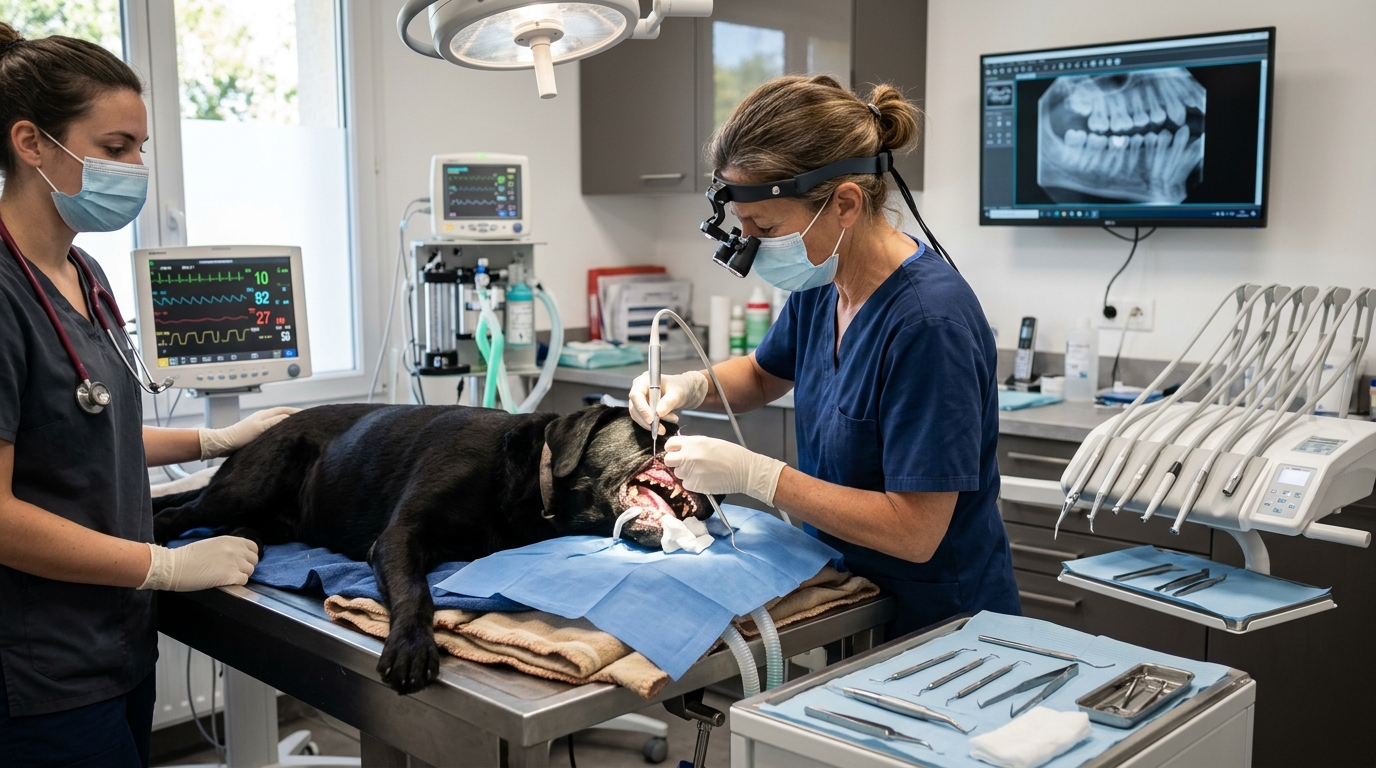
The veterinarian records the probe’s penetration and evaluates the degree of furcation involvement. Dental radiographs provide additional information about bone loss that visual inspection and probing cannot fully reveal. Together, these findings help determine disease severity and guide treatment planning.
Furcation Classification and Clinical Significance
Furcation classification helps veterinarians describe the extent of tissue destruction between roots. Common grading systems distinguish early involvement from advanced bone loss, although clinicians must interpret findings according to the patient’s anatomy and dental condition.
Furcation Grades and Their Meaning
Grade I indicates early furcation involvement, with limited probe penetration and minimal supporting tissue loss. Grade II describes partial involvement that extends farther beneath the tooth but does not pass completely through the furcation. Grade III indicates complete furcation involvement, allowing a probe to pass between the roots.
| Furcation grade | Typical finding | Treatment-planning relevance |
|---|---|---|
| Grade I | Early involvement | Supports periodontal treatment and monitoring |
| Grade II | Partial involvement | May require more extensive periodontal therapy or extraction assessment |
| Grade III | Through-and-through involvement | Often indicates advanced disease and a guarded prognosis |
| These grades provide a framework rather than an automatic treatment decision. Tooth location, remaining bone support, patient comfort, overall health, and the owner’s ability to maintain oral hygiene also influence clinical recommendations. |
Furcation Probing and Treatment Decisions
Furcation measurements help veterinarians determine whether they can preserve a tooth or should recommend extraction. Clinicians combine probing findings with radiographs, mobility assessments, periodontal pocket depth, and the patient’s symptoms.
Furcation Findings and Treatment Options
Early furcation involvement may respond to professional periodontal cleaning, root surface treatment, and consistent home dental care. Veterinarians may recommend follow-up examinations to monitor inflammation and disease progression.
Moderate involvement requires careful assessment of the remaining periodontal support. Depending on the tooth and clinical findings, treatment may include advanced periodontal procedures or extraction. Severe involvement often carries a poorer prognosis because extensive bone loss compromises tooth support and creates areas that retain plaque.
Veterinarians should also consider whether the tooth causes pain, whether infection affects surrounding tissues, and whether treatment offers meaningful benefits. Dental radiographs help identify root abnormalities, bone destruction, and other conditions that influence the final decision.
Furcation Probing and Long-Term Oral Health
Accurate probing records establish a baseline for future examinations and help clinicians evaluate treatment outcomes. Consistent measurements allow veterinary teams to compare changes over time and recognize worsening periodontal disease.
Furcation Monitoring and Preventive Care
After treatment, veterinarians may schedule rechecks based on disease severity, treatment type, and individual risk factors. Owners can support oral health through veterinary-approved toothbrushing, appropriate dental products, and recommended professional examinations.
However, home care cannot reverse advanced periodontal bone loss or replace necessary treatment. Owners should seek veterinary assessment when they notice bad breath, gum bleeding, difficulty chewing, facial swelling, or changes in eating behavior.
Furcation probing depth helps veterinary dentists measure periodontal destruction, estimate tooth prognosis, and select appropriate treatment. A qualified veterinary dentist can interpret these findings with radiographs and a complete oral examination to protect the animal’s comfort and long-term dental health.