
Creating exceptional bread and pastries is both an art and a science that requires mastery of various elements. In a world where food quality is becoming increasingly scrutinized, understanding what distinguishes a quality bakery is essential for aspiring bakers and culinary enthusiasts alike. This article unravels the secrets behind crafting superior baked goods, focusing on ingredient selection, dough preparation, and baking techniques.
Understanding the Foundation of Quality Bakery Products
To delve into the intricacies of producing exquisite bread and pastries, one must grasp the core principles of a quality bakery. Factors such as ingredient sourcing, meticulous preparation, and mastery of baking techniques all play a critical role.
Focusing on Ingredient Selection
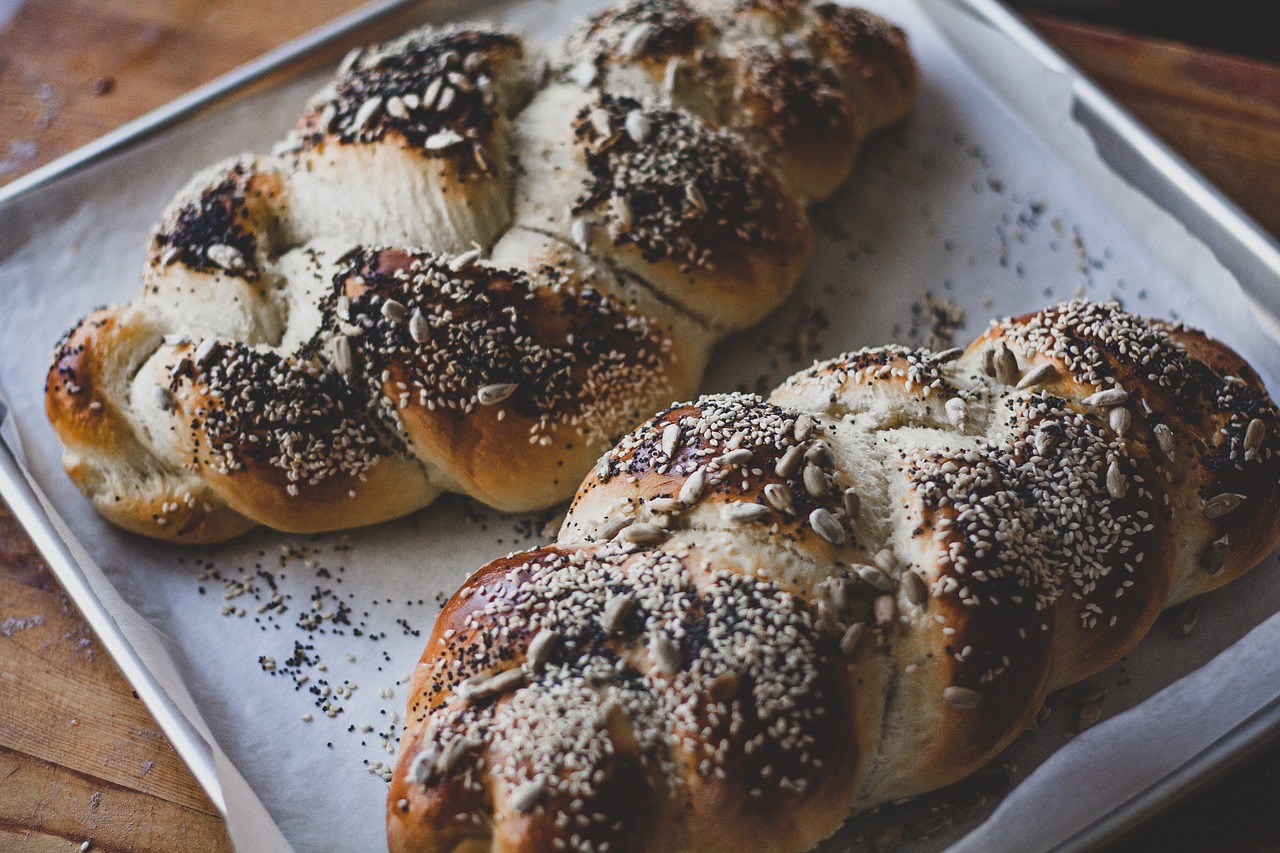
The journey of creating outstanding baked goods begins with selecting high-quality ingredients. This choice profoundly influences texture and flavor, setting the foundation for success.
- Flour Quality: The backbone of any bakery, flour determines the dough’s strength and structure. Opting for unbleached, high-protein flour can enhance the final product.
- Fresh Yeast: Using fresh yeast rather than dried can lead to a more predictable fermentation process, resulting in lighter and airier bread.
- Local Ingredients: Sourcing ingredients from local suppliers ensures freshness and supports community businesses, enhancing the bakery’s reputation.
Mastering Dough Preparation Techniques
Once the ingredients are selected, precise techniques are essential for transforming them into perfect loaves and pastries. Mastering the nuances of dough preparation can significantly elevate the end product.
- Kneading: Proper kneading develops gluten, which contributes to the bread’s structure. It’s crucial to find the right balance—too little leads to faults, while too much can result in toughness.
- Fermentation: Allowing dough to ferment adequately is vital. This process enhances flavor and texture. Utilizing a longer, cold fermentation period can yield remarkable results.
- Shaping: Skillfully shaping the dough is an art that affects both the aesthetic and the final product’s rise. Understanding how to handle dough delicately is key.
Implementing Baking Techniques for Better Outcomes
Once the dough is prepared, the actual cooking process becomes paramount. Accurate baking techniques can mean the difference between an average and a standout product.
Utilizing Proper Baking Equipment
The importance of investing in the right baking equipment cannot be overstated. Proper tools can drastically simplify processes and enhance the quality of baked goods.
- Ovens: Convection ovens ensure even heat distribution, which is indispensable for uniform baking.
- Proofing Boxes: These create an optimal environment for fermentation, significantly impacting the quality of both bread and pastries.
- Baking Stones: Using stones or tiles results in better crust formation, enhancing the overall texture.
Implementing Quality Control Practices
Ensuring consistent quality requires ongoing monitoring and adjustment throughout the baking process. Establishing robust quality control practices can help detect potential issues early.
| Quality Control Aspect | Importance |
|---|---|
| Ingredient Inspection | Guarantees freshness and suitability for baking, affecting flavor. |
| Temperature Monitoring | Ensures optimal baking conditions, influencing texture and doneness. |
| Taste Testing | Verifies flavor balance, identifying any adjustments needed. |
Exploring Artisan Baking for Unique Flavors
Artisan baking emphasizes individual craftsmanship and often results in distinct flavors and textures. Committing to this art can differentiate a bakery in a crowded market.
Creating Signature Products
Developing unique products can serve as a bakery’s calling card, drawing in loyal customers. Here are some strategies to enhance artisanal offerings:
- Flavor Infusions: Experimenting with herbs, spices, or local fruits can add a signature twist to traditional recipes.
- Seasonal Variations: Incorporating seasonal ingredients not only enriches flavors but also connects with community culture.
- Workshops: Hosting baking classes can engage customers and foster a deeper appreciation for the craft.
In conclusion, the journey of creating quality bread and pastries is dynamic and multifaceted, requiring a careful balance of art and science. By focusing on understanding ingredient selection, mastering various baking techniques, and ensuring quality control, any bakery can elevate its offerings. For those interested in further enhancing their bakery skills or seeking unique ingredients, consider exploring specialized resources or local businesses.