
A memorable event is not simply a venue filled with guests and speakers; it is a carefully shaped experience in which every sound, image, transition, and interaction feels connected. For a company preparing a product launch, conference, or brand activation, professional event production turns an idea into a polished gathering that audiences can follow, enjoy, and remember.
Consider Northstar, a fictional technology company introducing a new product to customers and staff. Its production team begins by defining what attendees should feel and understand, then coordinates creative direction, event technology, logistics, and on-site decisions to support that goal. When the audio is clear, the visuals are legible, and the program moves smoothly, guests can focus on the message instead of the machinery behind it.
Event production as a unified experience
Event production is the planning, design, coordination, and execution of the technical and operational elements that make an event work as one. Depending on the scale, a team may oversee audio systems, microphones, cameras, video displays, staging, lighting, livestreaming, presentation playback, crew calls, and equipment setup or removal.
Northstar’s product launch, for example, needs more than a screen and a microphone. The team maps the guest journey, venue layout, speakers, content, and timing before choosing the right setup, so every technical decision supports the company’s objective rather than adding spectacle for its own sake.
That planning can also involve complex deliveries and build schedules. For a large exhibit with heavy components, coordinating access, transport, and installation calls for the same careful sequencing found in a well-organized industrial move; early coordination keeps backstage work from spilling into the guest experience.
Audio, Video, and Lighting That Serve the Message
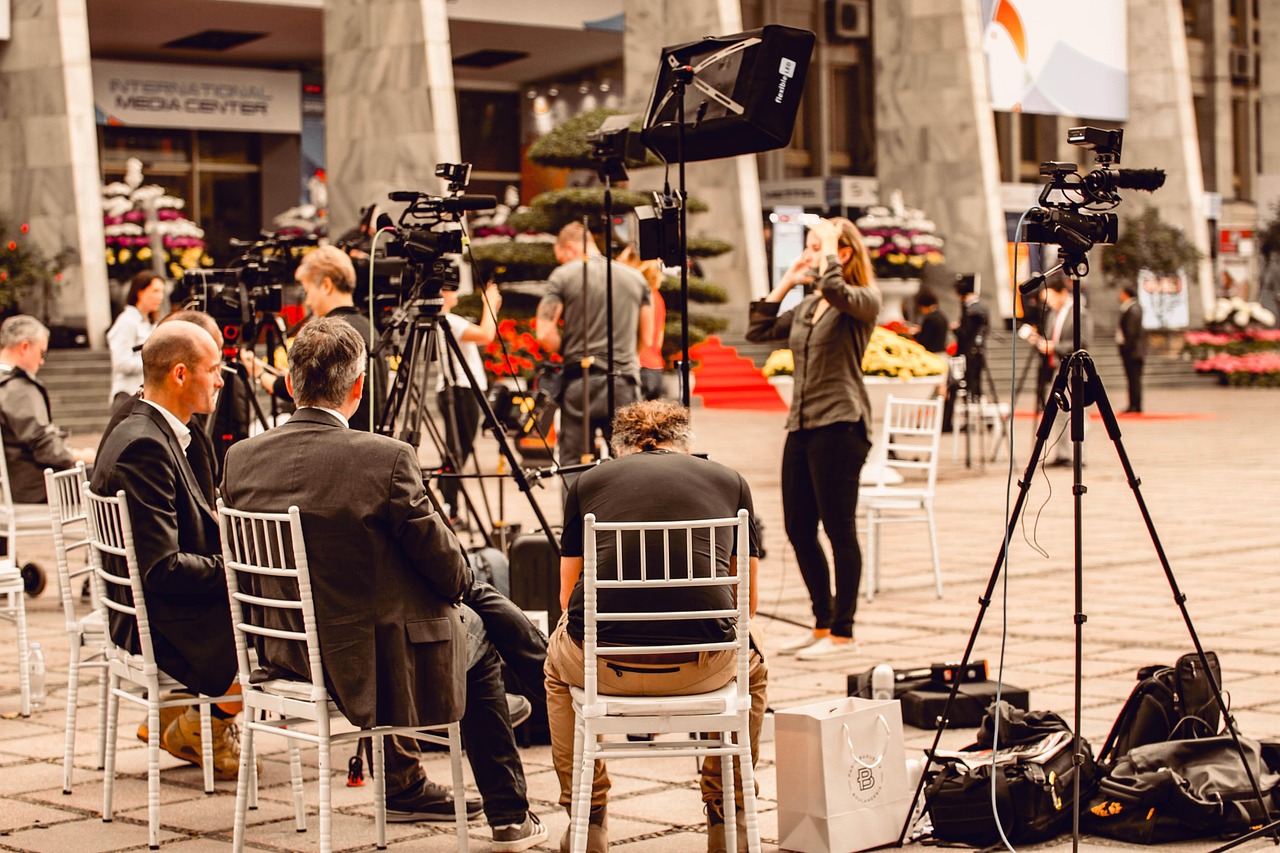
Sound is the first technical element guests judge, often without realizing it. Speech must stay intelligible from the front row to the back of the room, so the team tests microphone placement, speaker coverage, and echo during rehearsal rather than after doors open. Wireless systems receive a frequency check, and backup units stay ready beside every presenter.
Visual content follows the same logic. Slides, product footage, and live camera feeds should remain legible from the farthest seat, which affects font size, contrast, screen height, and projector brightness. Lighting then shapes attention, guiding eyes toward the stage during a keynote and softening the room during networking.
The table below shows how each technical layer supports the guest experience.
| Element | Purpose | Common checkpoint |
|---|---|---|
| Audio | Clear speech and music | Rehearsal sound check |
| Video | Readable content for every seat | Screen sightlines |
| Lighting | Focus and atmosphere | Cue timing with speakers |
| Streaming | Reach for remote viewers | Bandwidth and backup feed |
Rehearsals, Crew Coordination, and Show Flow
A written run of show gives every crew member the same timeline. It lists cues, speaker handoffs, video playback, lighting changes, and contingency steps, so no one relies on memory during a live moment. A full technical rehearsal then exposes weak points, such as a slow slide transition or a microphone that cuts out near the stage edge.
On the day, clear roles keep decisions quick. Typical responsibilities include:
- Production manager: owns the schedule and resolves conflicts
- Audio engineer: monitors levels, microphones, and playback
- Video operator: controls slides, clips, and camera switching
- Stage manager: cues speakers and manages backstage movement
Contingency Planning and Post-Event Review
Even well-prepared events face surprises, from power interruptions to late speakers. Backup laptops, spare cables, redundant internet connections, and a clear decision chain allow the team to recover without alarming guests. Northstar’s crew, for instance, keeps a duplicate presentation on a separate device, ready to replace the primary source in seconds.
After the event, a short debrief captures lessons while memories remain fresh. Review audience feedback, recordings, technical logs, and crew notes to see which moments worked and which caused friction. These findings improve the next production and give stakeholders a factual picture of what the event achieved.
Successful event production depends on preparation, coordination, and calm decisions made long before guests arrive. When audio, visuals, lighting, and logistics support a single goal, the audience remembers the message rather than the equipment, and the host organization earns lasting credibility. Contact a professionnal to plan an event production that turns your next launch or conference into a truly seamless, memorable experience.