Moving into a new home is exciting, but turning it into your own space can be overwhelming. A well-planned renovation helps you personalize each area while improving comfort and function. This guide explores how to upgrade your home efficiently, combining style with lasting ease.
Assessing Your Renovation Goals
The first step is setting clear renovation objectives. Why are you renovating? Perhaps for better functionality, improved aesthetics, or increased resale value. Envision how you will use each space. For instance, a family that cooks together might want a spacious, open-concept kitchen. If selling, prioritize modern updates attractive to buyers.
A renovation consultant can offer valuable insights and tailored advice. Consider long-term needs too. Will your family grow, or will you need accessible features later? Defining these goals ensures your renovation meets current and future needs.
Crafting a Comprehensive Renovation Plan
With clear goals, develop a detailed renovation plan. This roadmap is essential. Start by drafting a comprehensive budget. List all anticipated costs: materials, labor, permits, and design fees. Crucially, include a contingency fund of 10-20% for unforeseen issues. These often arise during renovations. Understanding your financial limits helps prioritize tasks and select appropriate finishes. Get multiple quotes from suppliers and contractors.
Next, create a realistic timeline. Break down the project into phases. Specify start and end dates for each major task. For an efficient project, collaborate with a reputable contractor. They can navigate complexities, manage timelines, and help control costs effectively. A well-structured plan minimizes stress and keeps the project on track.
Indicative Renovation Costs
The following table provides estimated cost ranges for common renovation tasks in a mid-range project. Prices vary significantly based on location, material quality, and project scope.
|
Renovation Task |
Average Cost Range (USD) |
Notes |
|
Kitchen Remodel (Mid-Range) |
$25,000 – $75,000 |
Includes cabinets, countertops, appliances, flooring |
|
Bathroom Remodel (Mid-Range) |
$10,000 – $35,000 |
Includes fixtures, tiling, vanity, shower/tub |
|
Flooring Replacement (per sq ft) |
$5 – $20 |
Varies by material (carpet, hardwood, LVP) |
|
Interior Painting (Whole House) |
$3,000 – $7,500 |
Depends on house size and paint quality |
|
Electrical System Upgrade |
$2,000 – $10,000 |
For safety, capacity, or smart home features |
|
Window Replacement (per window) |
$300 – $1,200 |
Energy efficiency and aesthetics |
|
Roof Replacement (Asphalt Shingle) |
$7,000 – $15,000 |
Varies by roof size and complexity |
Note: Always obtain detailed quotes from local professionals for accurate pricing.
Finding the Perfect Design Inspiration
Your home should reflect your personality and lifestyle. Start by gathering design inspiration that appeals to you. Online platforms like Pinterest and Houzz offer many creative ideas. These range from modern minimalist to classic traditional styles. Save images of layouts, color schemes, materials, and fixtures you like.
Visiting local showrooms or home expos can also help visualize finishes. Pay attention to how different materials and textures feel. Create a mood board, either physical or digital. This tool captures your vision and keeps you focused and organized. It also helps communicate your preferences clearly to designers or contractors. Don’t be afraid to blend styles if it feels right for you.
Choosing the Right Contractor for Your Renovation
Selecting the right contractor is essential for your renovation’s success. Look for licensed and insured professionals with a strong track record. Positive client reviews and testimonials are good indicators. Interview several candidates. Discuss your vision, budget, and timeline to ensure they align with your goals.
Ask for references and portfolios to assess their work quality. Check their credentials with local building associations. A detailed, written contract is essential. It should outline the scope of work, materials, costs, payment schedule, and project timeline. Clear communication is vital. Establish expectations early for a good working relationship. Share your desires and concerns openly with your chosen contractor. They are your partner in bringing your vision to life.
Maximizing Space and Functionality
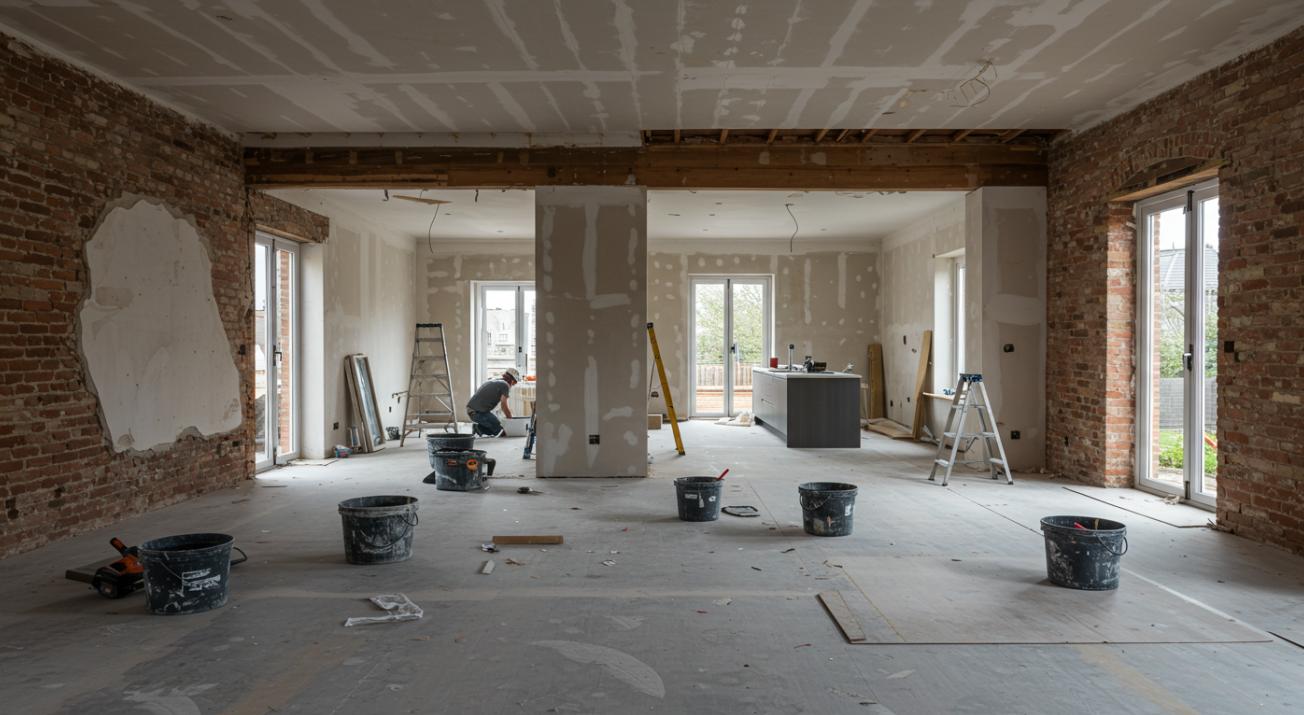
During your renovation, balance style with practical needs. If space is limited, consider an open-concept design. Removing non-load-bearing walls can create a more flowing and spacious layout. This often improves natural light and social interaction within the home.
Choose multi-functional furniture for storage without sacrificing style. For example, ottomans with hidden storage or extendable dining tables are great for smaller areas. Built-in shelving or custom cabinetry can also maximize vertical space efficiently. Think about traffic flow and how each room connects to the next. Smart storage solutions, like pull-out pantry shelves or under-bed drawers, can make a big difference. Good lighting design, incorporating ambient, task, and accent lighting, also enhances functionality and perceived space.
Navigating the Renovation Process
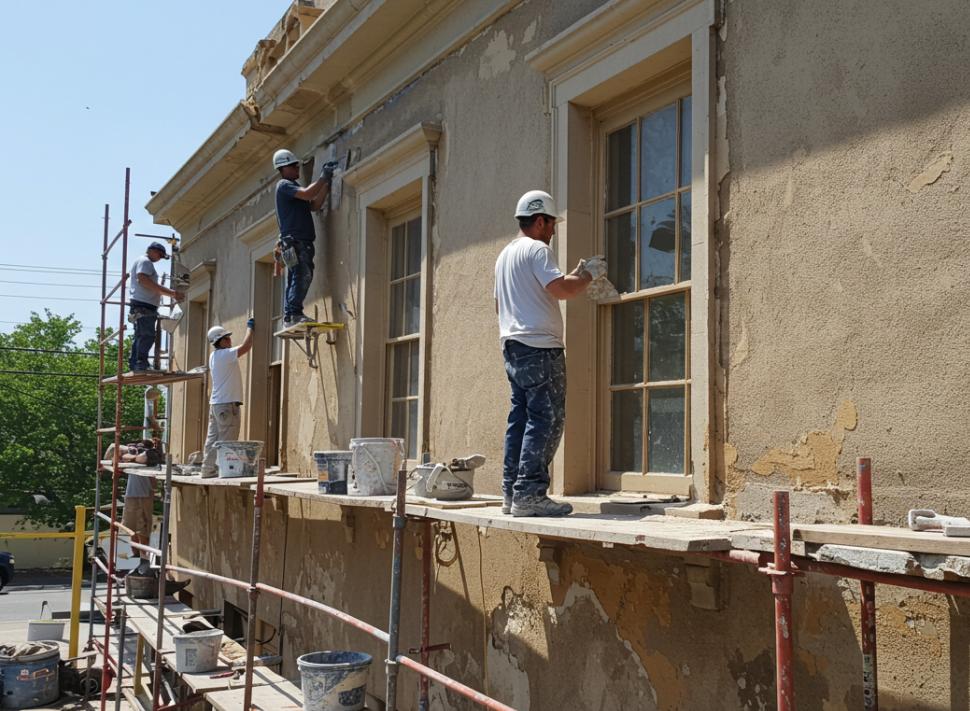
Living through renovations requires patience and flexibility. Construction can be disruptive to your daily life. Try to be adaptable with your routines to manage stress. If possible, set up a temporary living zone away from the main construction area. This could be a spare bedroom or even a sectioned-off part of a larger room.
Protect your furniture and belongings by covering them or moving them to storage. Dust and debris are inevitable, so seal off work areas as much as possible. Communicate regularly with your contractor about progress, timelines, and any potential disruptions. Understanding the schedule can ease the process significantly. Plan for alternative arrangements for cooking or bathing if those areas are out of commission.
Finalizing Your Renovation with Personal Touches
The final renovation stage is about adding personal touches. This makes the space truly yours and completes the transformation. Use artwork, decorative accents, and family photos to add warmth and character. These elements tell your story and make the house feel like a home.
Showcase your personality through thoughtful design choices in accessories. Don’t hesitate to mix patterns or colors you love. Consider textiles like rugs, curtains, and cushions to add texture and comfort. Plants can bring life and freshness to your newly renovated rooms. This is the moment your vision truly comes alive. Your home should be a haven reflecting your unique taste and lifestyle. After the contractors leave, conduct a final walkthrough to create a “snag list” of any minor fixes needed.
Enjoy Your Transformed Home
Renovating your home involves careful planning, thoughtful execution, and a design focus. It leads to immediate comfort and lasting style. This process transforms a house into a true home, tailored to your needs and preferences. If you’re ready for this project, consult home renovation professionals like World Of Carpentry Inc. They can guide you through each step, from initial concept to final touches.
https://www.youtube.com/watch?v=xArsUkA0gbM