What if your home embodied the future of living? Modern architecture is your pathway to a living space that merges sleek design with ecological responsibility. More than a trend, it’s a smart approach to reduce your environmental footprint while enhancing your comfort and slashing energy bills. Discover how to transform your home into a sustainable, healthy, and truly contemporary haven. Make your move and build the living space of tomorrow, today.
Redefining Contemporary Living with Sustainable Design
Modern architecture is no longer just about sleek lines and cutting-edge aesthetics. It’s revolutionizing how we think about sustainability in our homes. Incorporating eco-friendly materials and strategies enhances not only the environmental footprint of your living space but also your quality of life. Today’s design philosophies prioritize reducing waste, reusing materials, and creating spaces that harmonize with their surroundings, making sustainable living both stylish and practical.
Designers are focusing on integrating natural elements and energy-efficient systems to create homes that breathe and adapt. As urban dwellers seek environmentally responsible options, sustainable architecture offers solutions that address climate concerns while maintaining comfort and elegance. This evolving approach invites homeowners to embrace innovation and responsibility simultaneously.
Adopting sustainable architecture doesn’t require a complete overhaul; it can start with small, intentional choices, like enhancing natural light, improving insulation, or selecting renewable materials. These thoughtful decisions contribute toward building a living space that’s resilient, resource-efficient, and tailor-made for the future.
What Makes a Home Truly Sustainable?
A sustainable home combines functionality with environmental mindfulness. It utilizes energy-saving devices, passive design techniques, and eco-conscious materials to minimize wastefulness. Reclaimed timber, recycled metals, and innovative composites reduce reliance on virgin resources, while optimized insulation and ventilation improve energy retention.
Passive solar design is also a key component, allowing buildings to harness natural light and heat, which reduces the need for artificial lighting and climate control. Additionally, water-efficient fixtures and rainwater harvesting systems further the home’s contribution to resource conservation. Achieving a balance between form, function, and eco-friendliness ensures the home supports both the planet and its inhabitants.
Innovative Materials and Construction Practices in Sustainable Architecture
New architectural projects increasingly emphasize the use of advanced sustainable materials and smart construction methods. These innovations include mass engineered timber, solar glazing, and modular building components designed for easy reuse. Utilizing such materials ensures that homes not only perform efficiently but also reduce their environmental impact across their entire lifecycle.
Prefabricated components and kit-of-parts construction allow for precise assembly and future disassembly, contributing to waste reduction and material reuse. Architects are focusing on how to “design less and research more,” focusing on adaptive reuse strategies that preserve existing structures rather than opting for demolition and rebuilding.
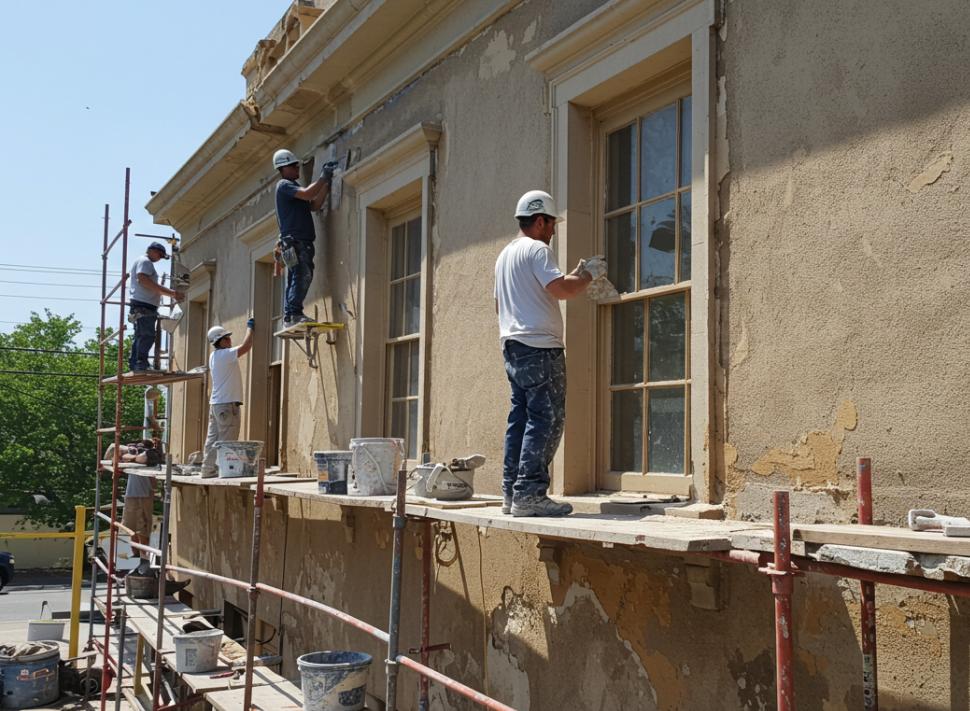
For example, adaptive reuse projects transform underutilized spaces like old warehouses or market halls into vibrant, sustainable residences or recreational spaces. This approach minimizes resource consumption, respects cultural heritage, and adds unique character to the living environment.
How Smart Design Embraces Reuse and Adaptability
Designing for adaptability means creating living spaces that easily accommodate changing needs and functions. Flexible layouts enable residents to modify rooms without extensive renovations, which reduces future waste and cost. Additionally, integrating components like steel supports or adjustable partitions helps extend the lifespan of buildings.
Smart materials, such as wood-grained aluminum fins used in facades, can reflect natural surroundings while providing thermal control. These features improve energy efficiency and enhance the aesthetic appeal. By prioritizing building systems that cooperate with their local climate, designers foster a harmonious relationship between architecture and environment.
Building Resilience with Passive Strategies and Regenerative Design
Emphasizing passive design techniques and regenerative principles is essential in crafting homes that withstand environmental stresses while revitalizing their surroundings. These strategies utilize natural resources like sunlight, wind, and water flow to maintain comfortable living conditions without over-reliance on artificial energy sources.
Homes designed with cross ventilation, solar shading, and thermal mass optimize internal climate control. Incorporating elements such as green roofs and permeable surfaces supports biodiversity and manages stormwater runoff, effectively reducing urban heat island effects. These design practices not only conserve energy but actively restore ecological balance.
Regenerative architecture aims not just to minimize harm but to enhance the built environment and its ecosystems, creating spaces that give back through clean energy production, improved air quality, and habitat restoration. This forward-thinking approach appeals to homeowners looking for resilient, future-proof living spaces.
Key Benefits of Passive and Regenerative Design
By maximizing environmental harmony, these approaches offer:
- Lower utility costs due to efficient energy management.
- Improved indoor air quality and occupant well-being through natural ventilation.
- Enhanced durability by using climate-responsive construction techniques.
- Positive ecological impact via support of local flora and fauna.
Choosing the Right Sustainable Features for Your Living Space
To successfully transition to a sustainable home, it’s vital to prioritize features that align with your lifestyle and location. Assessing natural light availability, climate conditions, and personal usage patterns guides efficient design choices. Investing in net-zero energy technologies like solar panels or geothermal systems drastically cuts energy expenditures and emissions.
Material selection also plays a crucial role. Choosing certified renewable resources or reclaimed products can effectively reduce a building’s carbon footprint. Additionally, partnering with architects and builders skilled in sustainable methods ensures your vision is realized with precision and care.
Incorporating smart home automation enhances energy usage monitoring and fosters responsible consumption. Together, these elements forge a living space that champions environmental stewardship without sacrificing modern comforts.
Take the next step by consulting with specialized architects or builders who prioritize sustainability and cutting-edge design. Transform your living space today into a model of environmental respect and modern comfort. Reach out now to discover how your dream sustainable home can become a reality.
https://www.youtube.com/watch?v=yda2uCdxgTo