
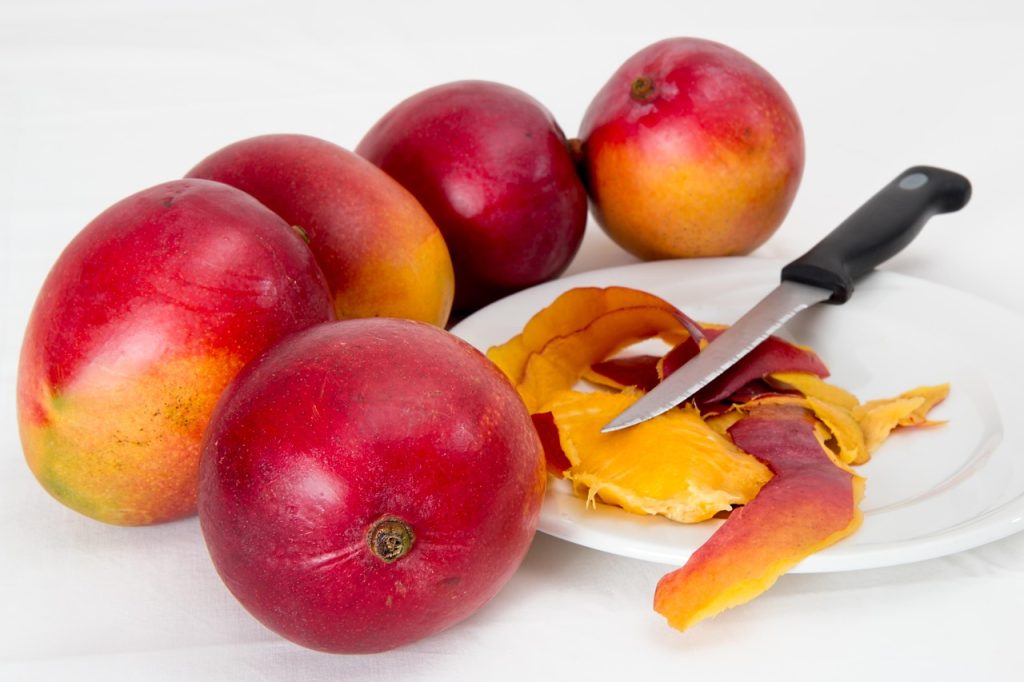
The mango is a captivating fruit that enchants both palates and kitchens with its captivating interplay of sweetness and texture. As a versatile ingredient, mangoes transform any dessert with their radiant golden hues and luscious flavors. Yet, behind the seemingly simple exterior lies a world of complexity shaped fundamentally by how ripe the mango is at the moment of use. The texture and sweetness of mangoes can drastically vary depending on their ripeness stage, influencing how they behave in recipes and the final outcome on your plate.
Exploring Mango Ripeness Stages and Their Influence on Dessert Texture
The journey of a mango—from a firm, green exterior to a sun-kissed, yielding fruit—is marked by a transformation not just in color but in texture and taste. Mangoes are generally harvested when they have reached full maturity on the tree but may be used across a spectrum of ripeness levels, each bringing unique qualities to desserts. The texture variation is significant; it plays a pivotal role in how the fruit integrates into recipes.
At the early ripeness stage, typically between stage 2 and 3, mangoes maintain a firmer, crisp texture akin to a tart green apple. This firmness makes unripe mangoes especially desirable for desserts that seek a contrast of crunch or a tangy bite. Their less sweet, more acidic flavor adds complexity that can balance overly rich or creamy components in dishes like mango salads or chutneys.
As mangoes progress to ripeness stages 4 and 5, the pulp softens dramatically, becoming luscious and juicy. The texture becomes comparable to that of a ripe peach—silky, smooth, and yielding. For desserts such as mango mousse, sorbet, or creamy tarts, this softness dissolves harmoniously, lending a velvety mouthfeel and amplifying the fruit’s characteristic sweetness and tropical fragrance.
Table: Mango Ripeness Stages and Corresponding Textural Characteristics
| Ripeness Stage | Texture | Flavor Notes | Best Dessert Applications |
|---|---|---|---|
| 2 – 3 (Unripe) | Firm and Crisp | Tart, slightly sour | Chutneys, salads, pickles |
| 4 – 5 (Ripe) | Soft, Juicy, Velvety | Sweet, aromatic | Smoothies, mousses, sorbets, puddings |
In practice, chefs carefully select mangoes by envisioning the textural and flavor harmony they wish to achieve in a dessert. For example, in a mango crumble that requires a firm fruit that won’t dissolve entirely during baking, slightly underripe mangoes are preferred. Conversely, a chilled mango mousse relies on the creamy softness of fully ripe mangoes for its melt-in-mouth appeal. This balance between ripeness and intended texture is fundamental to crafting successful mango desserts.
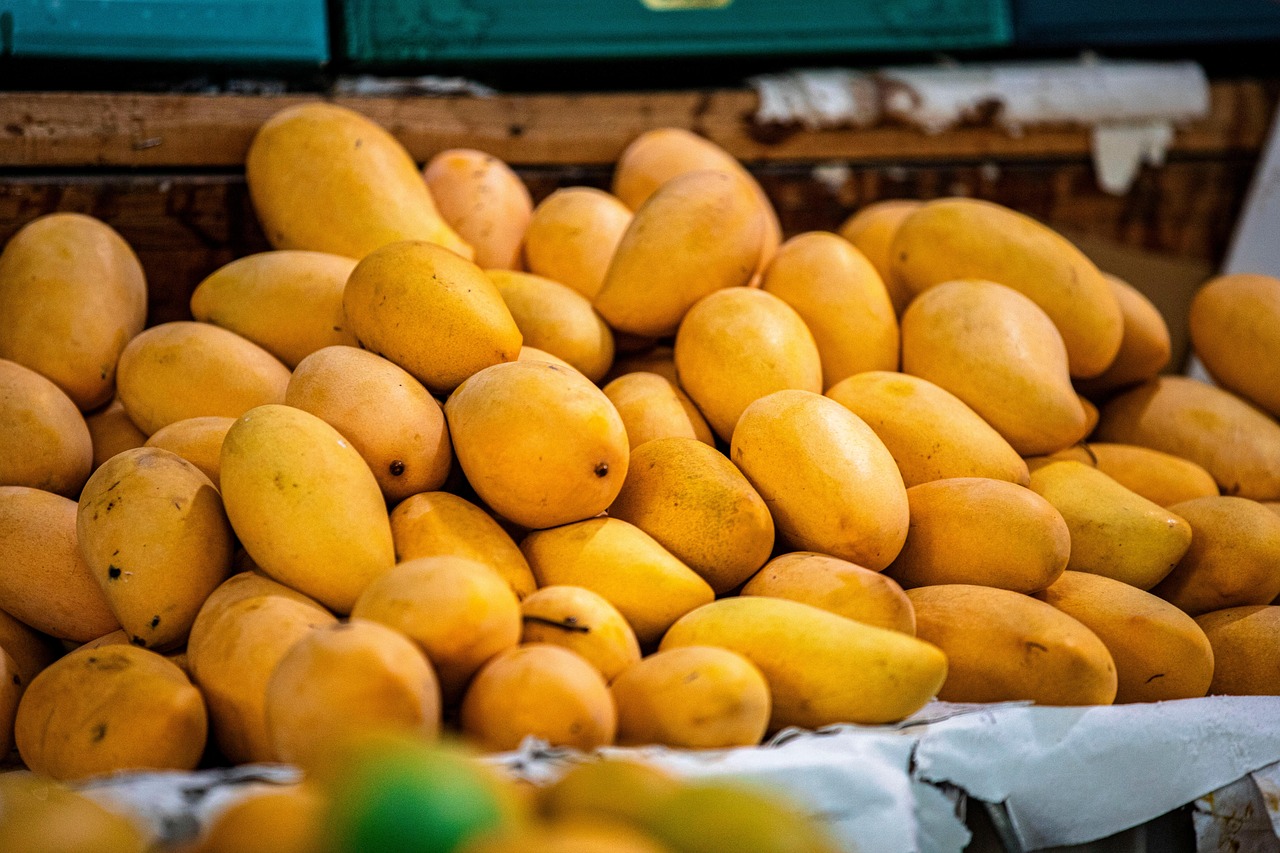
The Role of Mango Sweetness in Shaping Flavor Profiles Across Dessert Recipes
Sweetness is a hallmark of ripe mangoes, but it unfolds differently as the fruit matures. Unripe mangoes, with their sharper, acidic notes, deliver a tangy punch that can accentuate spices or balance sugary ingredients. This tang also enhances textural perceptions by providing a crisp freshness, which can surprise the palate and add depth to flavor layers.
Conversely, ripe mangoes possess a well-rounded sweetness that can be described as a nuanced fusion of peach, pineapple, and apricot undertones. This natural sugar content makes ripe mangoes the preferred fruit in desserts where sweetness is a primary flavor driver. The sugar in ripe mangoes allows for less added sweetener, which benefits healthier recipes or those aiming for natural flavor emphasis.
Using mangoes with different sweetness levels gives rise to creative culinary approaches. Consider a mango cheesecake where the balance of creamy cheese and mango sweetness must be just right: overly tart mango can overwhelm the palate, while the mellow lushness of ripe mango adds delicate dimension. Similarly, in fruit trifle or layered desserts, the sweetness of the mango contributes to the interplay with other fruits and creams.
To optimize dessert flavor, understanding the mango’s sweetness curve is essential for recipe success:
- Unripe mango accessories: tart and acidic, perfect for balancing sweetness.
- Ripe mango consorts: rich, fruity sweetness that blends harmoniously.
- Adjusting added sugar: less is needed for ripe mango-based recipes.
For innovative mango dessert solutions that perfect your culinary creations, discover Superior Frozen Fruits Distributor’s expertise and products designed to harness the true potential of mangoes in your recipes.