
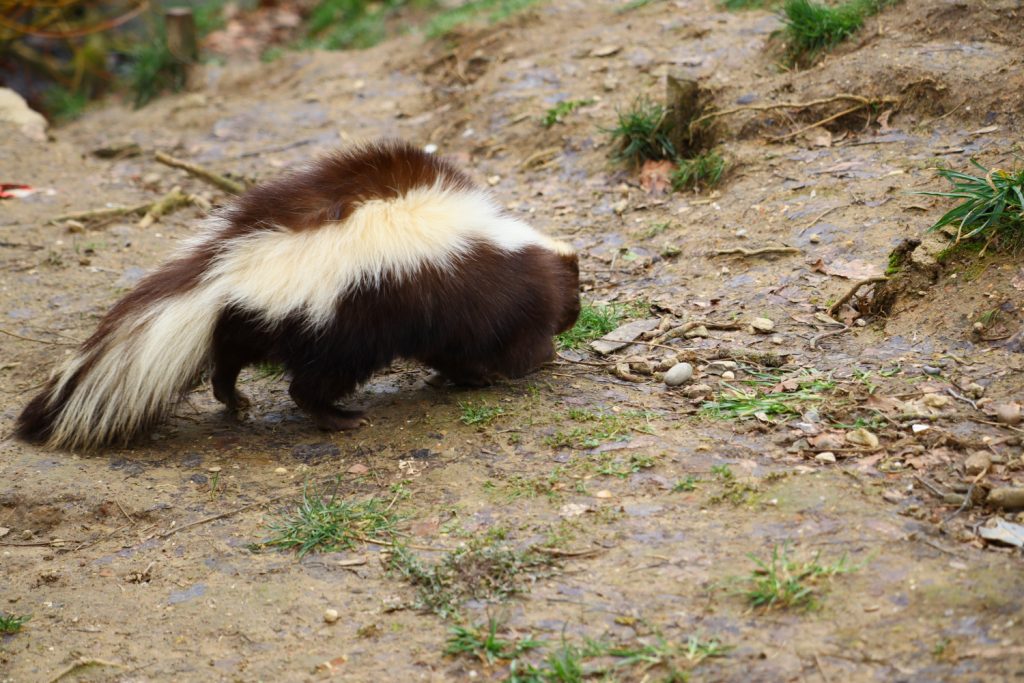
Dealing with a skunk encounter can be stressful, especially when you want to avoid unpleasant odors and ensure the animal remains unharmed. Skunks are shy creatures, and most conflicts with humans happen when they feel threatened or cornered. Understanding safe and humane techniques is essential for protecting both your property and the skunk’s well-being.
Understanding Skunk Behavior for Effective Removal
Before attempting removal, it’s crucial to understand skunk habits. Skunks are nocturnal and opportunistic feeders, which means they are most active at night and often rummage through gardens, trash bins, and sheds. They are generally non-aggressive but will spray when startled or threatened.
Key behavioral traits to note:
-
Nocturnal Activity: Skunks are rarely active during daylight hours. Evening and night patrols are when encounters are most likely.
-
Territorial Denning: Skunks dig burrows under decks, sheds, or porches to nest.
-
Food Motivation: Skunks are drawn to compost, pet food, insects, and small rodents.
Understanding these patterns can help you implement preventative and removal strategies more effectively.
Humane Skunk Removal Techniques
1. Live Trapping
Live traps are one of the safest ways to remove a skunk. These cages allow the animal to enter voluntarily and leave unharmed. Key tips include:
-
Place traps near burrows or areas where skunks are frequently seen.
-
Bait with foods like canned fish, peanut butter, or cat food.
-
Check traps frequently to reduce stress on the skunk.
-
Always wear gloves when handling the trap to avoid accidental sprays.
After capture, release the skunk in a safe area far from residential neighborhoods, following local wildlife regulations.
2. Motion-Activated Deterrents
Motion-activated devices can discourage skunks from returning to your property:
-
Sprinklers: Sudden bursts of water startle skunks without harming them.
-
Lights or Noise Makers: Bright lights or ultrasonic devices can deter nocturnal visitors.
-
Rotate deterrents occasionally to prevent skunks from becoming accustomed.
These methods are effective for temporary deterrence and work best in combination with habitat modifications.
3. Habitat Modification
Making your property less attractive is a proactive strategy:
-
Secure Garbage: Use tight lids and avoid leaving trash outdoors overnight.
-
Eliminate Food Sources: Remove fallen fruit, pet food, and birdseed.
-
Seal Entry Points: Close gaps under decks, porches, and sheds to prevent denning.
-
Maintain Lawn and Garden: Keep tall grass trimmed and remove debris that may serve as hiding spots.
Reducing access to food and shelter significantly decreases the likelihood of repeated visits.
4. Repellents and Natural Deterrents
Certain scents and substances can repel skunks without causing harm:
-
Citrus Peels: Skunks dislike the smell of oranges and lemons.
-
Ammonia-Soaked Rags: Place near den entrances (outside the den to avoid exposure).
-
Commercial Skunk Repellents: Always choose humane, non-toxic formulas.
Rotate these deterrents to maintain effectiveness.
Handling Skunks Safely
Even when using humane methods, caution is essential:
-
Avoid cornering or provoking the animal.
-
Never reach into a burrow or handle a skunk with bare hands.
-
Keep pets and children away from the area until the skunk is removed.
-
Be prepared for the possibility of a spray. Vinegar or enzymatic cleaners can neutralize odors on clothing or surfaces.
Preventing Future Skunk Encounters
Prevention is often more effective than removal. Strategies include:
-
Routine Property Inspections: Identify and seal potential denning spots.
-
Pet Food Management: Feed pets indoors or remove uneaten food at night.
-
Secure Compost and Trash: Use wildlife-resistant containers.
-
Garden Management: Limit mulch piles and ground cover that can hide skunks.
Consistent preventive measures reduce the need for direct intervention and help maintain a peaceful coexistence.
When to Seek Professional Help
Sometimes, skunk removal requires expert assistance. Situations warranting professional intervention include:
-
Multiple skunks occupying the property.
-
Burrows in difficult-to-access locations.
-
Aggressive or sick animals posing a safety risk.
-
Persistent odor problems despite deterrents.
If you’re contemplating a sewer installation, don’t hesitate to contact Craig Wildlife Control. Their expertise will ensure the project is handled professionally and efficiently,