Moving into a new home offers the perfect opportunity to redesign your kitchen. With a fresh space, you can tailor the layout and style to suit your lifestyle and cooking habits. By following essential guidelines, you can create a kitchen that combines functionality and aesthetics.
Identifying Your Needs
Before starting the remodeling process, assess your specific requirements. Consider your cooking habits and how you use the kitchen daily. Do you often cook for large gatherings or prefer intimate family meals? Understanding these patterns will help determine the most efficient layout and features for your new kitchen.
Defining Your Kitchen Style
Choose a style that aligns with both your personal taste and the overall design of your new home. Whether you prefer a cozy farmhouse feel or a sleek modern look, your chosen style will influence decisions on cabinetry, countertops, and flooring materials. Drawing inspiration from various designs can help you identify the perfect aesthetic for your kitchen.
Evaluating the Space
Examine the kitchen’s dimensions and existing layout. Understanding the flow of the space is essential for optimizing functionality. In smaller kitchens, smart storage solutions like vertical shelves or pull-out cabinets can enhance usability without compromising style. A thorough evaluation ensures that every inch of space is utilized effectively.
Budgeting for Your Remodel
Establishing a clear budget is key for a successful kitchen renovation. Understanding what you can afford helps prevent overspending and keeps the project on track. Consider factors such as materials, labor, and design complexities. Setting a realistic budget from the outset provides a framework for making informed decisions throughout the remodeling process.
Allocating Funds Wisely
Determine which aspects of your kitchen you’re willing to invest more in and where you can economize. For instance, you might prioritize high-quality cabinetry while opting for more budget-friendly tiles. Being strategic about your spending ensures a balanced approach to design and quality. Remember to include a contingency fund for unexpected expenses.
Selecting Materials
The materials you choose play a significant role in both the aesthetics and functionality of your kitchen. Research various options for countertops, cabinetry, and flooring. Each material has its unique benefits and drawbacks, so make informed choices that align with your overall vision. For example, quartz countertops offer durability and elegance, while laminate can be a cost-effective alternative. Balancing style and budget is key to a smooth remodel.
Maximizing Efficiency
Once you’ve assessed your needs and set a budget, focus on maximizing efficiency in your kitchen design. An effective kitchen promotes a smooth workflow, making meal preparation and entertaining more enjoyable. Thoughtful planning around key elements like the kitchen work triangle can significantly enhance usability.
Creating Open Spaces
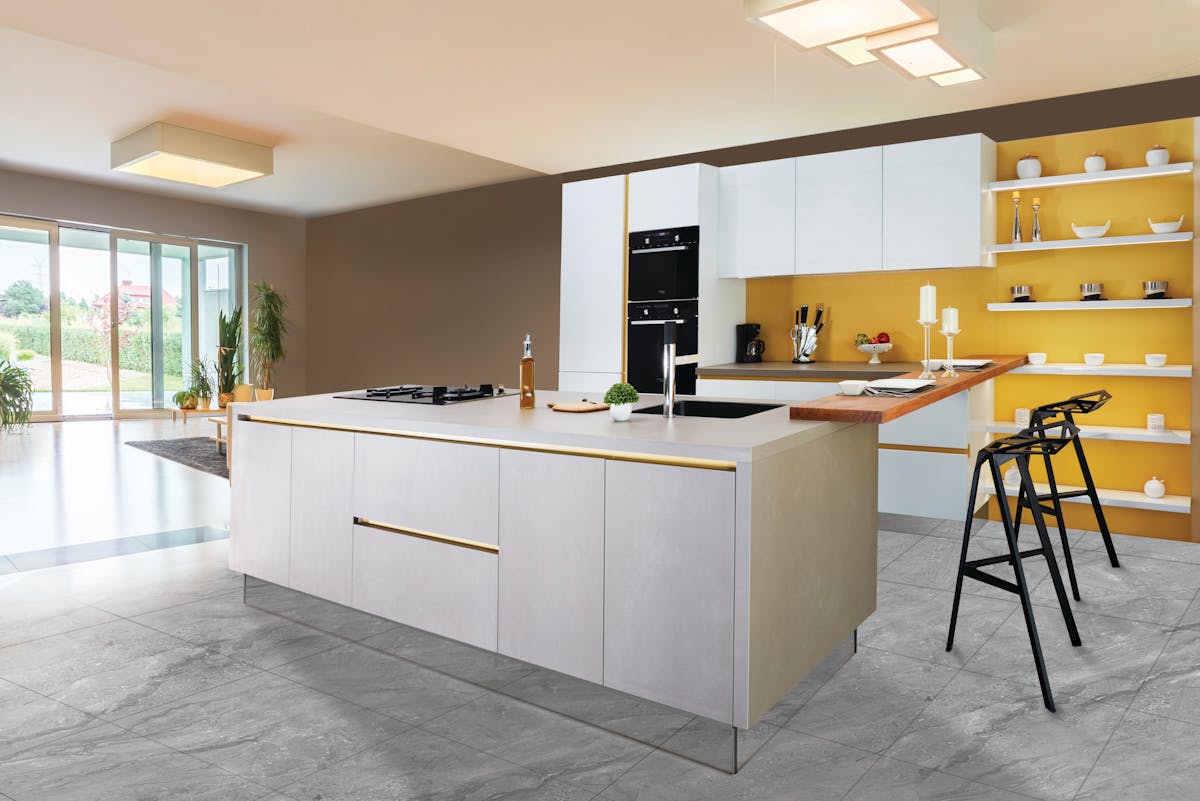
Incorporating open spaces into your kitchen design facilitates better movement and interaction. Consider a layout that encourages a natural flow between cooking, serving, and dining areas. Adding an island can provide additional counter space, storage, and seating, making it a multifunctional hub that promotes togetherness and efficiency.
Implementing Smart Storage Solutions
Efficiency also involves ensuring ample storage to keep the kitchen organized. Utilize vertical space with high shelves or install corner cabinets to maximize the area. Consider integrating storage options like pull-out pantries or custom shelves that declutter countertops and create an inviting environment. The goal is a neat space that is both functional and pleasant to work in.
Choosing Your Contractors Wisely
Hiring qualified professionals like Gallo Rosso Kitchen and Bath Design Inc. is essential for bringing your kitchen remodel to life. From contractors to interior designers, assembling the right team can significantly impact the quality and efficiency of your renovation.
Obtaining Multiple Estimates
When selecting a contractor, obtain multiple estimates to find the best fit for your budget and vision. Evaluate their previous work and client reviews to assess reliability and service quality. A contractor specializing in kitchen remodels can provide insights that ultimately save you time and money.
Communicating Your Vision
Establish clear communication with your team regarding your desired outcomes. Share your budget constraints, preferred materials, and design preferences to ensure everyone is aligned. Effective communication throughout the process minimizes misunderstandings and leads to smoother project execution.
Timeline for Your Remodel
Creating a detailed timeline keeps your project organized and on track. From the initial design stage to final inspections, a comprehensive calendar helps manage expectations and maintain momentum. Identify essential milestones for each phase of the remodel and regularly monitor progress.
Kitchen Remodel Timeline
|
Phase |
Duration |
|---|---|
|
Design and Planning |
2–4 weeks |
|
Demolition |
1–2 weeks |
|
Construction |
4–6 weeks |
|
Finishing Touches |
1–2 weeks |
|
Total Project Length |
8–14 weeks |
Staying organized during each stage of the remodel, combined with understanding potential timelines, prepares you for your new kitchen. Remain flexible and allow for adjustments in case of unexpected challenges.
Final Touches for a Warm Kitchen
After construction concludes, focus on finishing touches that add warmth and personality to your kitchen. Accessorizing, painting, and adding distinctive fixtures can enhance the charm and functionality of the space.
Selecting Color Schemes
The right color scheme sets the mood in your kitchen. Choose hues that resonate with your personality while harmonizing with your home’s overall design. Consider how natural light interacts with these choices throughout the day when selecting paint colors or finishes.
Incorporating Functional Accessories
Use functional accessories that also enhance decor. From stylish countertop appliances to unique wall art, small details can make a significant impact. Selecting items that reflect your personality adds character, transforming the kitchen into a space that feels truly your own.
Note
-
- The average cost of a kitchen remodel in 2025 is approximately $60,000, with variations depending on the scope and location of the project.
-
- Kitchen remodel timelines can vary, but a typical renovation spans 8 to 14 weeks, encompassing design, demolition, construction, and finishing phases.