In regions characterized by excessive humidity, traditional wall painting may fall short, leading to frustration for homeowners and builders alike. This article explores advanced wall cladding materials designed specifically to outperform paint, ensuring lasting beauty and protection in high-moisture environments. Prepare to discover innovative solutions that enhance durability and aesthetic appeal, making your property stand strong against the elements.
Explore Moisture-Resistant Wall Cladding Options
When it comes to wall cladding in high-humidity environments, selecting the right materials is paramount. Traditional options like paint often succumb to mold and mildew, leading to costly repairs and maintenance issues. Instead, consider the following advanced moisture-resistant cladding alternatives that excel where paint fails.
Modified Cementitious Materials (MCM)
MCM represents a revolutionary approach to wall cladding with its unique properties tailored for damp conditions. Known for its lightweight composition and dense structure, MCM effectively repels moisture while allowing minimal water absorption—less than 1%. This capability significantly reduces the risk of mold growth and structural damage, positioning it as a superior choice for buildings in humid locales.
Fiber Cement Cladding
Fiber cement siding offers remarkable durability and moisture resistance. Composed of a blend of cement, cellulose fibers, and sand, this material resists rot, decay, and insects. Architects favor its versatility; it can be fashioned to resemble wood or stucco without sacrificing strength. Regular washing with soap and water is all it needs to maintain its appearance.
Weatherproof Siding Solutions
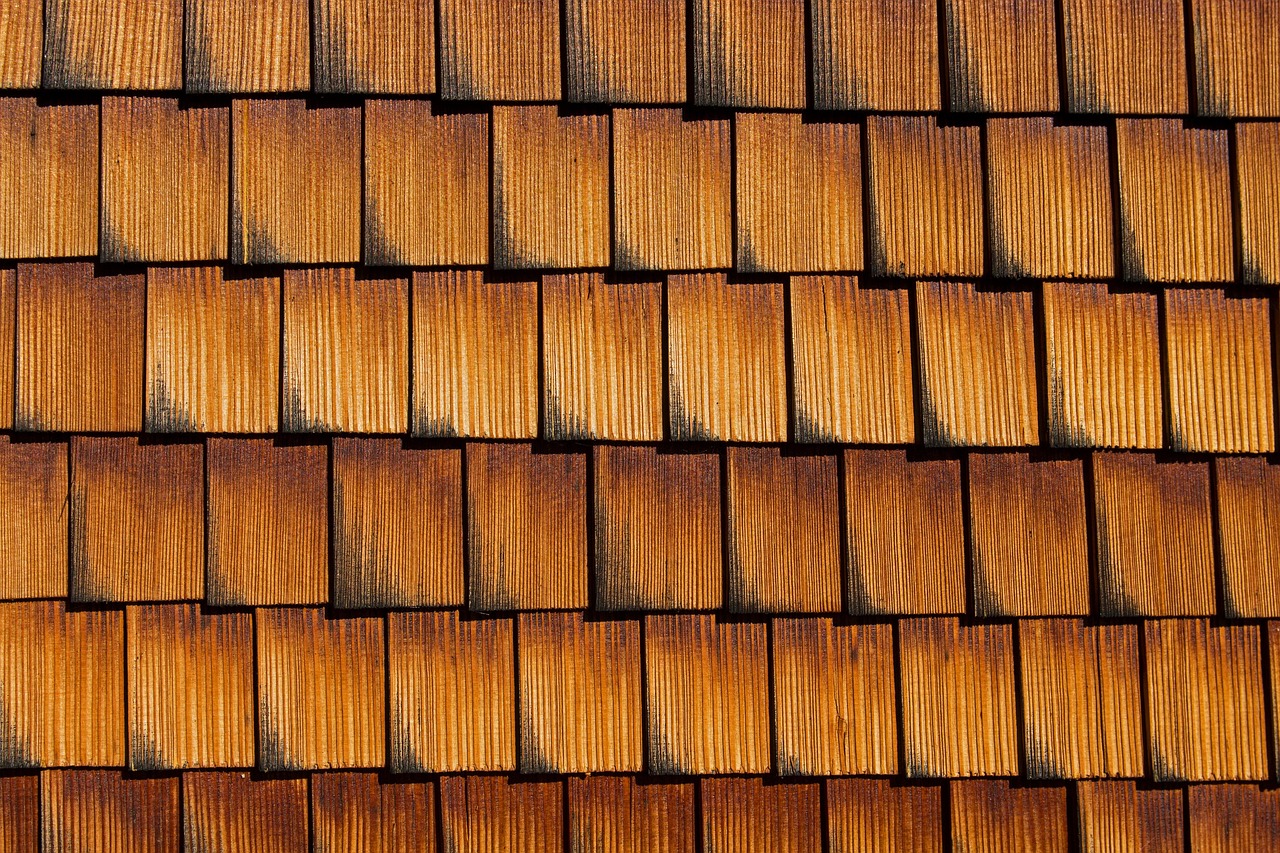
Another effective option for combating moisture is weatherproof siding. These systems often feature integrated moisture barriers that provide a dual layer of protection. By eliminating gaps and seams, weatherproof siding minimizes water penetration, ensuring the walls remain dry and secure over time. Their aesthetic range allows customization that can suit any architectural style.
Highlight the Importance of Durable Cladding
The choice of wall cladding goes beyond mere aesthetics; it can significantly affect the longevity of a building. Traditional paints can crack, peel, or fade, leading to frequent touch-ups and repairs. In contrast, durable cladding materials like MCM and fiber cement offer a long-term solution, maintaining their integrity and visual appeal for decades.
Comparing Cladding Materials to Paint
To clearly understand how advanced cladding materials outperform paint, we can look at a side-by-side comparison of performance factors:
| Material | Water Resistance | Expected Lifespan | Maintenance Needs |
|---|---|---|---|
| Traditional Paint | Poor | 5-10 years | Frequent touch-ups, mold cleaning |
| MCM | Excellent | 25+ years | Minimal maintenance, occasional washing |
| Fiber Cement | Very Good | 25 years | Periodic cleaning, limited repairs |
| Weatherproof Siding | Outstanding | 30+ years | Almost none, just washing |
Choosing the Right Moisture Barrier
Selecting an appropriate moisture barrier is vital for the longevity of your cladding. Effective barriers help to manage moisture transfer and prevent dampness within the structure. Here are some leading options to consider:
- Vapor Barriers: Positioned behind siding, these barriers halt moisture from seeping into walls.
- Damp Proofing Membranes: Ideal for foundation walls, they provide essential exterior wall protection.
- Air and Moisture Control Layers: Integrated within wall assemblies, these layers reduce the potential for water intrusion.
Analyze Real-World Applications
To illustrate the practical benefits of these moisture-resistant materials, let’s look at successful case studies. Several hotels and commercial buildings along coastlines have implemented MCM to combat humidity-related issues, leading to reduced maintenance costs and enhanced aesthetics. For instance, a beachfront hotel in Southern California reported a dramatic decrease in mold-related complaints after switching to MCM, as the enhanced exterior wall protection effectively blocked moisture ingress.
Assessing Cost-Effectiveness of Durable Cladding
While initial costs for advanced cladding materials may be higher than conventional paint, the long-term savings on maintenance and repairs should be a significant factor in your decision-making. Investing in durable cladding ensures that properties remain attractive and structurally sound for years to come.
Implement Practical Solutions Today
High-humidity environments demand smart choices, and opting for advanced wall cladding materials provides reliable and aesthetic solutions. Whether you’re building a new structure or renovating an existing one, make sure to explore options like MCM and fiber cement as alternatives to traditional paint. Their superior performance in moisture management represents a proactive approach to building longevity.
As you embark on your next building project, consider moving away from paint and embracing cutting-edge cladding materials that promise durability and resistance to moisture. Their transformative benefits ensure your property maintains both its beauty and structural integrity. For expert advice on selecting the right wall cladding solutions, consult The Render Man, a leader in innovative building materials.