
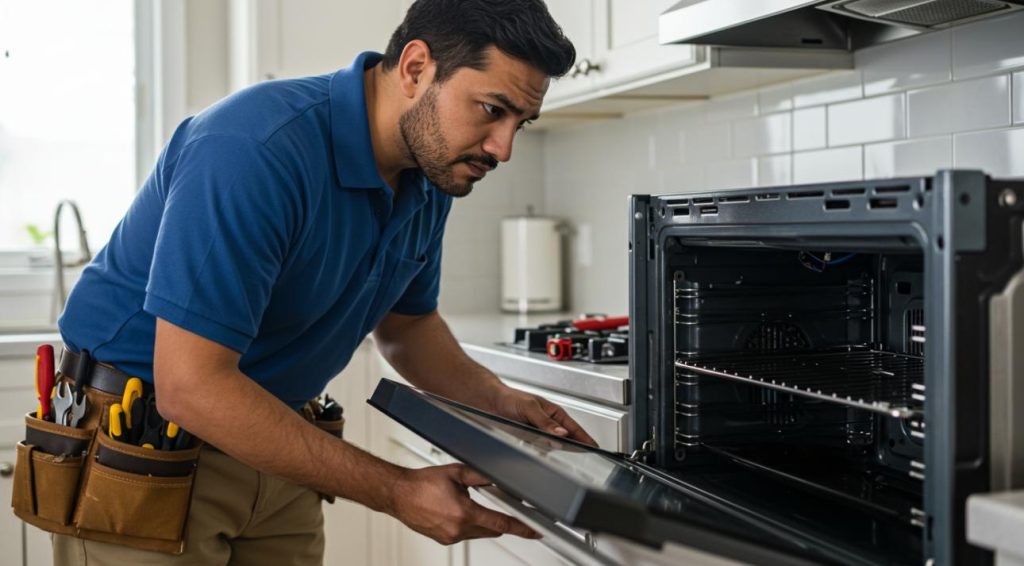
Moving into a furnished rental comes with the ease of ready-to-use appliances. But a common question arises: who is responsible when something breaks down? Understanding appliance repair responsibilities helps prevent confusion and protects your rights as a tenant. This article breaks down typical landlord-tenant agreements and clarifies key points to ensure a smooth experience.
Understanding Your Lease Agreement
The lease agreement is your primary reference. It outlines what each party is responsible for, especially regarding maintenance and repairs. Most leases indicate whether the landlord or tenant covers appliance repairs.
Key Clauses to Check
Look for detailed clauses about appliances like refrigerators, dishwashers, or washers. In many cases, landlords are responsible for large or essential appliances. Meanwhile, tenants may need to handle small maintenance tasks. If the lease is vague or silent, legal default rules in your region may apply.
In some areas, laws require landlords to maintain all appliances they provide, especially those deemed essential. Make sure your lease does not conflict with local regulations. If it does, legal protections for tenants may override the lease.
Common Scenarios: Who Pays and When?
Understanding everyday situations makes it easier to navigate responsibilities. Below are some examples that commonly arise in furnished rentals.
Minor Repairs vs. Major Breakdowns
Minor issues like changing a light bulb or resetting a circuit breaker are usually the tenant’s responsibility. On the other hand, serious malfunctions—such as a leaking washing machine or a broken stove—typically fall to the landlord, particularly if the appliances were part of the rental agreement.
If an appliance is still under warranty, the landlord often handles the repair process. But if the tenant caused the damage through misuse, they may have to cover the cost. That’s why it’s important to document appliance conditions at move-in with photos and written reports.
Wear and Tear vs. Tenant-Caused Damage
This distinction often causes confusion. Normal wear and tear refers to gradual deterioration through everyday use. Examples include worn buttons or faded surfaces. Most tenant laws state landlords can’t charge for these.
However, damage due to misuse, such as a cracked appliance door or spills inside electrical components, may be billed to the tenant. Regular care, prompt reporting, and evidence of proper use help prevent disputes.

Legal Options and Tenant Protections
Tenants should be aware of their rights. If you’re being wrongly charged for repairs, there are steps you can take.
Responding to Unfair Charges
Start by reviewing your lease and local housing laws. If the charge goes against local tenant protection rules, you may file a complaint with your local housing authority. Another option is small claims court, where you can contest the charge and seek reimbursement if the evidence supports your claim.
Keep Records from Day One
Documentation strengthens your case. Save all communication with your landlord, including emails, texts, and repair requests. Keep receipts and records of any appliance issues, repairs, or maintenance done during your lease.
Importance of Inspections
Conduct joint move-in and move-out inspections with your landlord. Take photos of every appliance and create a written checklist. This helps prove the condition of each item and minimizes disputes later.
Who’s Responsible? A Quick Guide by Appliance
| Appliance Type | Tenant Responsibility | Landlord Responsibility |
|---|---|---|
| Refrigerator | Light cleaning, minor noise issues | Major repairs, replacement |
| Washing Machine | Cleaning filter, minor leaks | Mechanical issues, full replacement |
| Dishwasher | Rinse aid refill, minor clogs | Motor or drainage system failure |
| Microwave | General upkeep, door cleaning | Power failure, internal repair |
| Stove/Oven | Surface cleaning | Burner or heating malfunction |
| Dryer | Lint removal | Drum, motor, or vent issues |
| Air Conditioning | Filter changes | System maintenance or repair |
This chart gives a clear picture of typical responsibilities. Always check your specific lease, but these general rules apply in most rental situations.
Staying Ahead of Problems
To minimize conflicts and costs, both parties should act proactively. Landlords should provide functional, safe appliances and ensure all are listed in the lease. Tenants should report problems quickly, perform basic maintenance, and document everything.
If you’re unsure about your obligations, consult with a property expert or legal advisor. Companies like Home Movers Pro can guide you through the complexities of rental agreements, helping you better understand your rights.
Final Thoughts
Knowing who handles appliance repairs in a furnished rental protects you from surprise costs and conflict. Review your lease thoroughly, document everything, and understand what counts as damage versus normal wear. By being proactive and informed, both tenants and landlords can enjoy a more transparent and stress-free rental experience.
Facing issues with appliance repairs? Contact expert company to get reliable solutions now!