
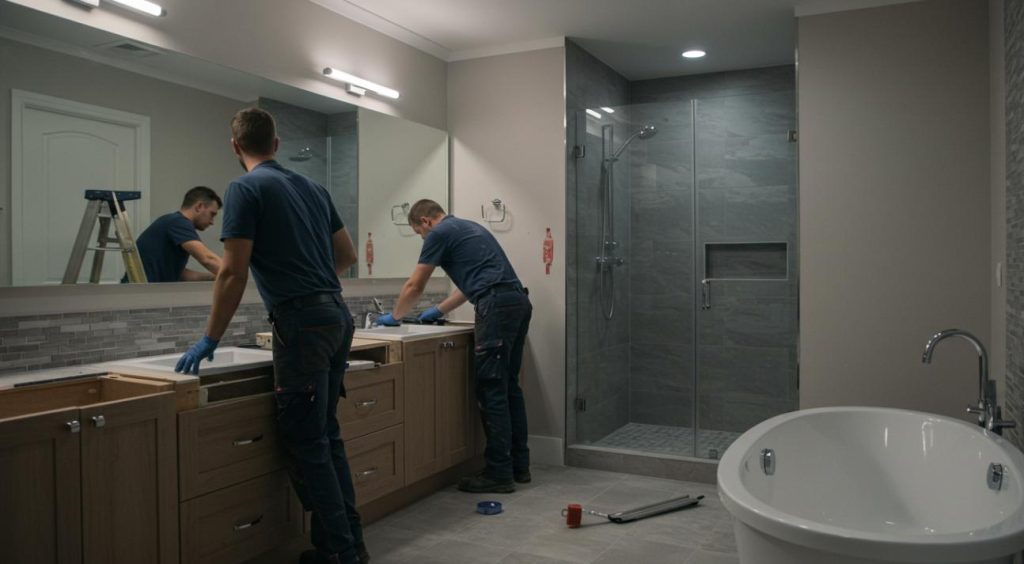
Moving into a new home is exciting, but a bathroom in need of renovation can quickly temper that enthusiasm. Whether it’s outdated fixtures, an inefficient layout, or moisture problems, understanding what to expect helps you tackle the project effectively. A successful bathroom remodel requires balancing functionality, aesthetics, and future-proofing. Before you begin, it’s crucial to plan carefully.
Understanding Your Bathroom’s Needs
The first step is a detailed assessment of your current bathroom. This goes beyond noting cosmetic issues; it involves analyzing how your household uses the space, identifying problem areas, and setting renovation priorities.
Consider these questions:
- How many people use the bathroom daily?
- Are there peak usage times?
- Are there any accessibility needs for elderly or mobility-impaired individuals?
- Is there enough storage for towels, toiletries, and cleaning supplies?
- Is the lighting adequate, and is ventilation sufficient to control moisture?
- Finally, is the current layout functional for daily tasks?
This assessment should focus on key areas such as usage patterns, accessibility requirements, storage capacity, lighting and ventilation, and layout efficiency. Once you’ve analyzed these areas, create a list of bathroom renovation goals, whether it’s improving function, style, or eco-friendliness, to guide your decisions.
Strategic Budgeting and Material Selection
Careful budgeting is crucial. Balance your desired features with your financial strategy. Your budget should account for core renovation costs like labor, demolition, plumbing, and electrical work. Include materials and fixtures such as flooring, vanities, faucets, and tiles. Always factor in unexpected expenses like hidden damage or code upgrades. Don’t forget finishing touches like mirrors, lighting, and paint, or potential luxury upgrades like heated floors and smart toilets.
Prioritize upgrades that add the most value and enjoyment. Investing in quality flooring, for example, improves comfort and increases property value.
Optimizing Storage and Layout
Efficient storage and layout are essential, especially in smaller bathrooms. Balance luxury with practicality. A master bathroom might include a double vanity for simultaneous use, while a powder room benefits from compact, space-saving solutions.
Consider incorporating vanity drawers and organizers for small items, built-in shower niches for toiletries, floating shelves to add storage and aesthetic appeal, over-the-toilet cabinets to utilize vertical space, and recessed medicine cabinets for hidden storage without encroaching on room width. Planning these elements early with your contractor will help you avoid costly adjustments later.
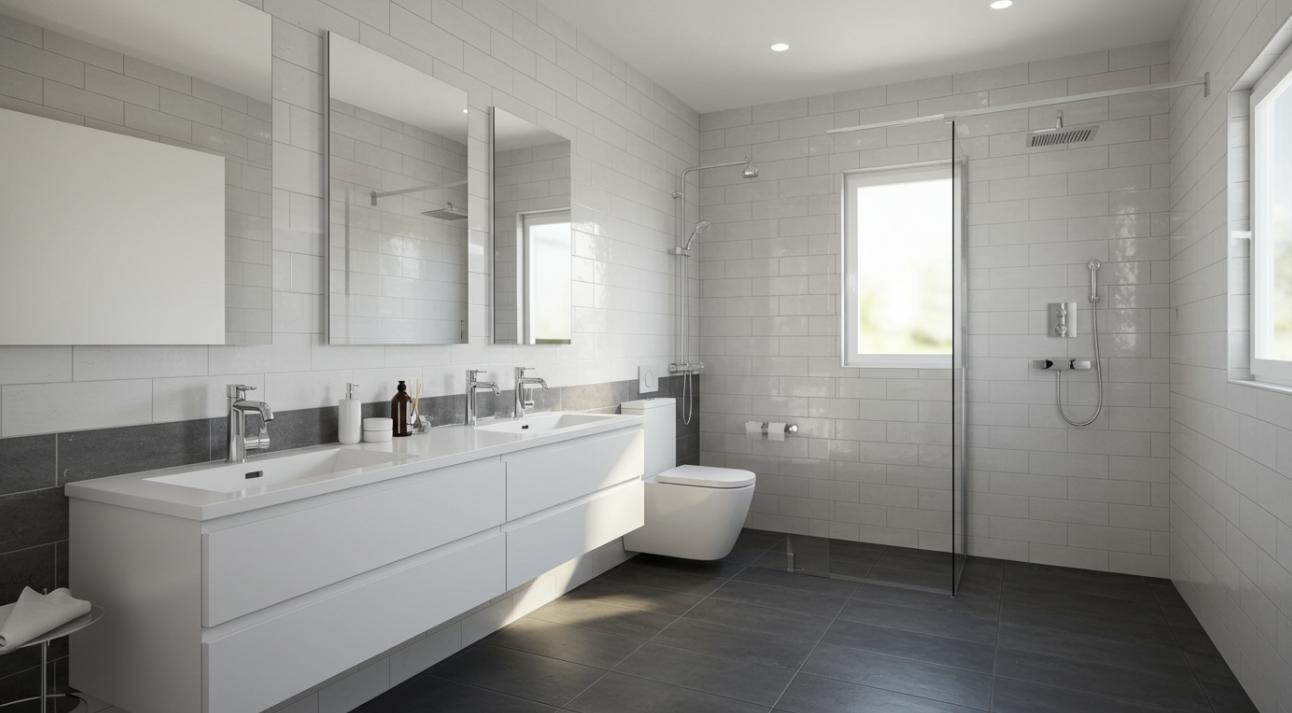
Lighting, Ventilation, and Safety
Often overlooked, effective lighting, ventilation, and safety features profoundly impact your bathroom’s usability and longevity. These elements, when executed well, distinguish a mediocre renovation from a truly successful one.
Lighting must combine ambient, task, and accent components for a balanced, functional atmosphere. Adequate ventilation using modern exhaust fans is essential to prevent mold growth, which compromises both aesthetics and health. When advancing safety in bathroom renovations, consider:
- Non-slip flooring: Choose textured or matte tiles to minimize slip risks.
- Grab bars: Strategically place them near toilets and showers for support and balance.
- Curbless shower entrances: Eliminate tripping hazards and improve accessibility.
- Lever-style faucets: Easier to operate than knobs, especially for those with dexterity issues.
- GFCI outlets: Protect against electrical hazards in wet spaces.
DIY vs. Professional Renovation
Deciding whether to undertake your bathroom renovation yourself or hire professionals can significantly impact the project’s outcome. While DIY projects may save money initially and offer personal satisfaction, certain complexities are better left to experts.
DIY-friendly tasks often include painting walls and ceilings, installing new hardware or accessories, replacing faucets or showerheads, applying grout or caulk to existing tiles, and assembling flat-pack vanities.
On the other hand, critical areas like plumbing, electrical work, and structural layout alterations require licensed professionals, like Gallo Rosso Kitchen and Bath Design Inc., to ensure compliance with code regulations and prevent costly errors. Painting is highly suitable for DIY, while fixture installation might be suitable for basic tasks, but complex plumbing or electrical work requires a professional. Plumbing and electrical work are not recommended for DIY. Structural modifications are not recommended and require professional expertise. Tiling is possible with experience, but complex layouts need professionals.
Bathroom Renovation Considerations
As you plan, keep in mind current bathroom design trends for 2025, which emphasize wellness-centric spaces with spa-like features, sustainable materials like bamboo and recycled glass, and integrated storage. Expect to see more natural stone countertops, bold tiles, earthy tones, and statement lighting.
Also, be aware of common renovation mistakes to avoid: poor planning, unrealistic budgets, ignoring functionality, insufficient storage, inadequate ventilation, and improper waterproofing. These can lead to costly reworks and dissatisfaction.
Regarding bathroom renovation costs, a small-scale remodel might range from $8,000 to $15,000, a mid-range project from $22,000 to $24,000, and premium or large-scale renovations from $30,000 to $35,000. These are estimates, and actual costs vary significantly based on your location, chosen materials, and labor rates.
Finally, consider accessibility design. Ensure adequate maneuvering space, install a curbless or low-curb shower, and strategically place grab bars. A washbasin with space underneath for wheelchair access and light switches and outlets at accessible heights are also crucial for a truly inclusive design.