
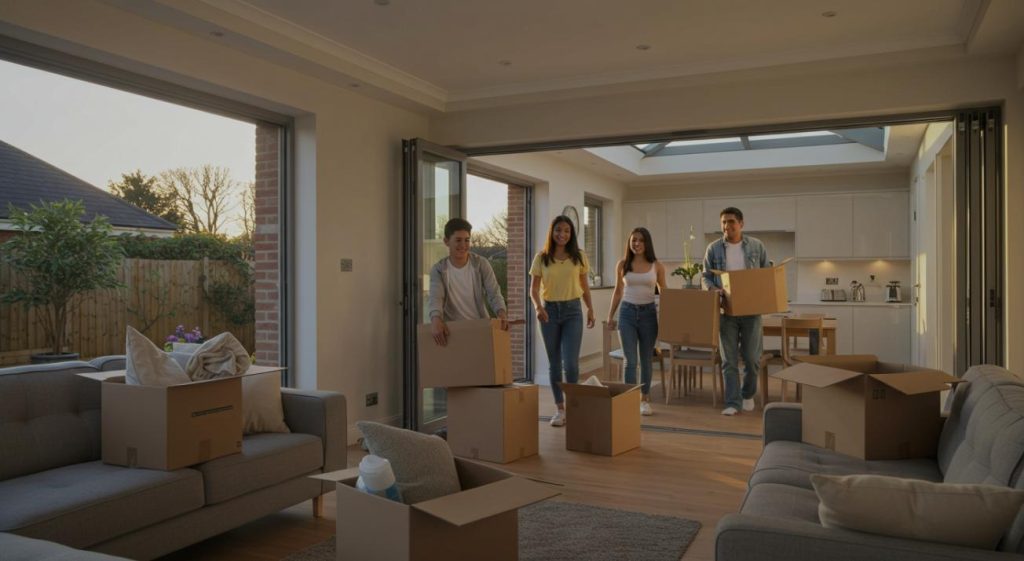
Facing the demands of a large family, choosing between relocating or expanding a home is far from easy. Rising property prices, emotional ties to a neighborhood, and the challenges of managing a full household can leave families torn. Home extensions offer an appealing alternative, balancing cost and lifestyle. However, in 2025, with changing regulations and tighter budgets, this choice requires careful planning. This article explores whether extending your home is truly a smart solution compared to relocating, helping large families make informed decisions based on practicality, not assumptions.
Financial Viability of Extensions vs. Relocation
For many large families, the financial question is central. While buying a larger home may seem like the solution, current market trends say otherwise. In 2025, family-sized properties in desirable neighborhoods have seen prices soar. On platforms like Zillow or Realtor.com, listings for homes with four or more bedrooms regularly exceed $500,000 in metro areas.
Meanwhile, a well-planned extension, adding a master suite, living area, or second floor, can cost between $80,000 to $150,000, including taxes. This can be significantly less than the full costs of relocation, which include:
- Agent fees (typically 5–6%)
- Closing costs
- Moving services
- Renovation work in the new property
Specialized retailers offer budget-conscious families practical solutions for fixtures and finishes. These options help manage expenses without sacrificing style or functionality.
Managing Timelines and Disruptions During an Extension Project
Time is often a family’s biggest constraint. Home extensions typically take 3 to 6 months, including planning, permits, and construction. Contrary to popular belief, actual building often begins only after weeks of design and approval processes.
Some useful strategies to ease the process include:
- Early planning: Share your needs clearly with the builder from the start.
- Phased work: Divide the project into sections to maintain functionality.
- Temporary stays: Consider short-term rental rests to avoid the stress of living on-site.
- Essential access: Ensure areas like kitchens and bathrooms remain usable.
Builders emphasize that while the construction phase may feel fast, it’s the preparation that takes time. With children at home, patience and flexibility are essential, construction zones can be noisy, dusty, and occasionally unsafe. However, seeing the transformation unfold can also be empowering for the whole family.

Smart Design for Growing Families
A home extension isn’t just about adding square footage, it’s about creating functional, personalized spaces. Architects today often rethink how light, privacy, and flow impact a family’s daily life. Small layout changes, like reorienting windows or adjusting floor plans, can significantly enhance comfort.
Here are four family-focused design trends worth considering:
- Multipurpose rooms: Spaces that serve both as play areas and study zones.
- Open-concept layouts: Encourage family interaction with connected kitchen, dining, and living areas.
- Custom storage: Built-in solutions like mudrooms or walk-in closets keep clutter in check.
- Indoor-outdoor flow: Large sliding doors bring in light and connect interior spaces with backyards.
Sites like John Cusumano Construction offer design inspiration and real-life examples of functional spaces tailored for large households.
Emotional and Logistical Realities of Staying Put
Choosing not to move comes with its own emotional weight. Families often value continuity, keeping children in the same schools, staying close to neighbors, and maintaining a sense of home. Extensions make that possible.
However, they also come with challenges: reduced privacy, constant disruption, and navigating a house under construction. It’s important to be realistic and communicate openly with your builder.
Long-Term Value and Lifestyle Impact
The goal of extending a home is not just to add space, it’s to improve how you live. Larger kitchens, more bathrooms, or expanded family areas reduce stress and improve daily life. These upgrades can also significantly increase property value, especially when high-quality materials and finishes are used.
While relocating might offer modern conveniences, a well-designed extension adds value without giving up the emotional comfort of home. And for many families, that comfort is priceless.
Pros and Cons of Extending Your Home
| Advantages | Challenges |
|---|---|
| Tailored to your family’s needs | Construction disrupts daily routines |
| More affordable than buying a larger home | Permits and approvals may take months |
| Keeps you in your community | Temporary loss of space and privacy |
| Boosts resale value | Upfront investment required |
For many large families, home extensions offer a middle path, improving their current lifestyle without the financial and emotional toll of relocating. When well-planned, an extension adds comfort, value, and long-term satisfaction.
Before making a decision, consult experienced professionals, assess your budget carefully, and explore creative design options that suit your family’s needs.