
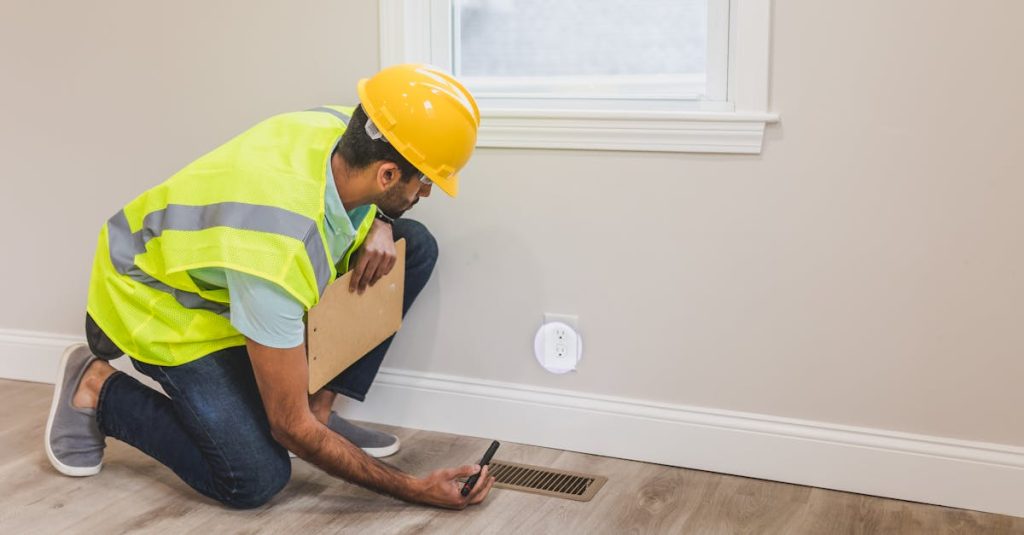
Moving into a new home is an exciting milestone, but it also brings a slew of responsibilities, particularly when it comes to ensuring the property is safe, functional, and comfortable from day one. Before unpacking boxes or arranging furniture, buyers must perform thorough inspections and make essential repairs that preserve the integrity of their investment. This goes far beyond cosmetic fixes; it requires a strategic review of the home’s structural elements, mechanical systems, and safety features.
Comprehensive Home Assessment: Unveiling Hidden Issues Before Move-In
A detailed evaluation of a new property is perhaps the single most important step before deciding to move in. This assessment should cover both the interior and exterior, extending to the immediate surroundings such as landscaping and drainage, which often reveal long-term maintenance issues.
Many homebuyers rely heavily on the home inspection report generated during purchase negotiations; however, a personal walkthrough coupled with expert evaluations can uncover issues overlooked or newly arisen since then. Subtle leaks under a sink, cracks in drywall, or early signs of mold might have escaped detection but can severely impact habitability.
Moreover, critical systems like the HVAC units, plumbing, electrical wiring, and appliances require individual scrutiny. A malfunctioning air conditioning unit or outdated electrical panel threatens comfort and poses safety hazards.
Conducting these checks reveals repairs you should prioritize and creates a baseline for future maintenance planning.
Essential Repairs and Maintenance Tasks for a Move-In Ready Home
After recognizing problem areas, it’s critical to determine which repairs and maintenance tasks to prioritize. These can range from quick fixes like changing dripping faucets to more substantial and costly renovations such as flooring replacement or HVAC overhaul. Addressing them promptly ensures fewer interruptions after move-in and aligns perfectly with strategies shared in flooring renovation investments and post-move renovation planning.
Typical Repair Categories
- Cosmetic Repairs: Patching wall cracks, repainting, and repairing damaged flooring.
- Plumbing and Fixtures: Fixing leaks, replacing old faucets, and updating toilets.
- Appliance Checks: Testing kitchen appliances to ensure functionality or arranging replacements.
- Structural Issues: Addressing any foundational settlements or sagging floors promptly to avoid further damage.
- Landscaping and Exterior Maintenance: Cleaning gutters, trimming overgrown trees, and resolving any drainage problems to prevent water damage.
Prioritizing Safety and Security Upgrades: Protecting Your Investment and Peace of Mind
Nothing outweighs feeling safe in your own home. Thus, updating safety and security measures is non-negotiable before moving in. This prioritization enhances the well-being of household members and protects valuables.
First, install or update smoke detectors and carbon monoxide alarms. Though these are often installed, it is advisable to replace older units or add more coverage in larger properties.
Next is assessing physical security. Simple measures like changing door locks can deter unauthorized access. More advanced options include smart home locks that allow remote control and monitoring.
Moreover, inspect for any environmental hazards such as loose handrails, slippery steps, or exposed wiring, addressing each promptly to prevent accidents.
Safety and Security Checklist
- Test and replace all smoke and carbon monoxide detectors.
- Change exterior door locks and consider smart locking technology.
- Ensure handrails and stairways are solid and secure.
- Correct electrical issues and remove exposed wiring hazards.
- Install outdoor lighting to deter intruders and improve night visibility.
Implementing these security steps before the move-in guarantees peace of mind, particularly for families.
Budgeting for Repairs and Coordinating Professional Assistance
Financial planning is crucial to successfully executing home repairs. First-time buyers must create an organized budget addressing known repairs with some flexibility for unexpected issues. This approach reduces stress and helps avoid common pitfalls.
Obtaining estimates from reputable professionals, like World Of Carpentry Inc., provides accurate cost assessments and expert guidance. Investing in qualified contractors ensures quality workmanship for repairs including plumbing, electrical, and renovations.
Creating a Timeline for Repair Completion to Facilitate Seamless Move-In
Lastly, organizing a realistic timeline for repairs is paramount for a smooth transition into the new home. Establishing deadlines helps keep projects on track and minimizes overlap with the moving schedule.
Prioritize high-impact repairs such as those affecting safety, functionality of essential systems, and weatherproofing first. Concurrently, plan cosmetic updates around the move-in date to avoid living amidst incomplete projects.
Estimated Costs for Common Pre-Move-In Repairs
|
Repair Task |
Estimated Cost Range (USD) |
Notes |
|---|---|---|
|
Repainting Walls |
$300 – $1,000 |
Depends on room size and paint quality |
|
Faucet Replacement |
$100 – $300 |
Includes parts and labor |
|
HVAC Inspection |
$75 – $150 |
Professional service |
|
Electrical System Check |
$100 – $500 |
Varies based on complexity |
|
Plumbing Inspection |
$100 – $250 |
Includes leak detection and minor repairs |
By addressing these essential repairs and upgrades before moving in, homeowners can ensure a safe, comfortable, and efficient living environment from day one.