
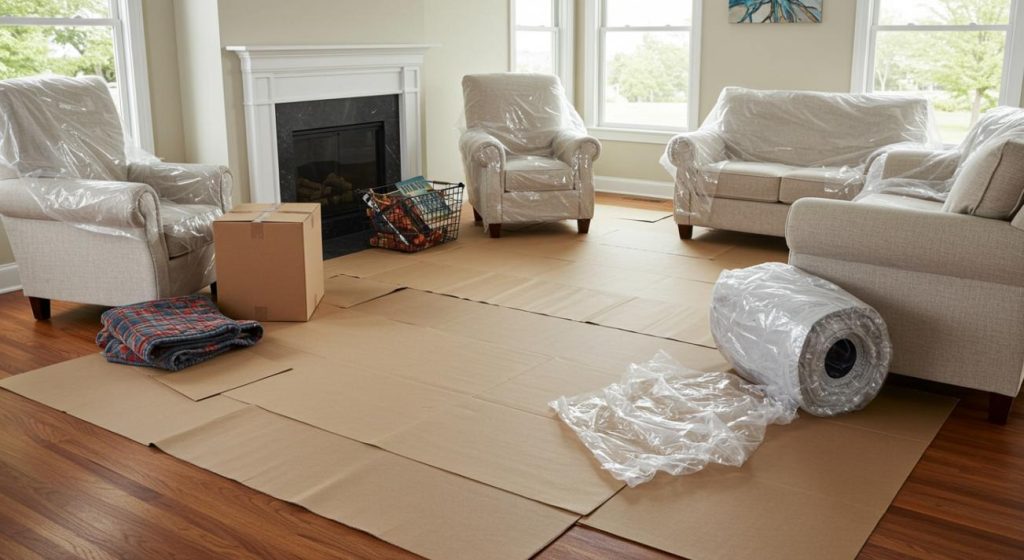
Moving into a new home is an exciting milestone, but it can also be a stressful time. Amid the packing and transportation of belongings, many homeowners forget to protect their new flooring. Yet, freshly installed or refinished floors are especially at risk. Heavy furniture, constant foot traffic, and large appliances can all cause scratches, dents, and stains. Protecting your flooring isn’t just about aesthetics, it’s also a matter of preserving your investment and avoiding costly repairs later.
Identifying Common Risks to New Flooring During Moves
Several issues tend to occur during moves. Furniture that is dragged or dropped can leave deep scratches or dents. Shoes worn indoors during the move can bring in dirt, grit, or moisture, damaging the surface or staining carpets. Tight hallways and doorways make maneuvering difficult, often leading to corners or baseboards scraping the floor. Appliances with metal bases or sharp corners can also severely scratch or crack flooring if not handled carefully.
These common scenarios show why quick fixes like laying down a few blankets aren’t enough. A planned, comprehensive approach is necessary to protect the floors effectively from the start of the move to the finish.
Essential Protective Actions to Address Risks
A strong floor protection strategy starts with choosing the right materials. Professional-grade covers that adhere to the surface offer better grip than cardboard or cloth, which often shift out of place. Shoe covers reduce the amount of dirt and grit tracked inside, and dollies with rubber wheels prevent concentrated pressure on floors. Wrapping furniture legs and sharp corners adds an extra layer of security and minimizes the chance of accidental damage. It’s also wise to measure narrow spaces in advance to ensure nothing will get stuck or scraped during transport.
Detailed Strategies for Protecting Hardwood Floors
Hardwood flooring is both durable and attractive, but it’s also sensitive to moisture, scratches, and impact. Even minor accidents during a move can leave visible damage. The smooth finish, while elegant, makes it especially vulnerable to heavy furniture, dragged objects, or spilled cleaning solutions. For that reason, protecting hardwood isn’t just about laying something over it, it’s about using materials that won’t compromise its finish or structure.
Top Protective Materials and Methods for Hardwood
- Self-adhesive floor shields are thick and durable, offering protection without sliding or leaving residue behind.
- Transparent protective films preserve the look of the floor while guarding against scratches and moisture.
- Rosin paper provides a low-cost solution for short-term protection, though it’s less durable and needs to be secured properly to avoid shifting.
- Furniture sliders or floor pads reduce friction when heavy pieces must be moved across the floor.
Before applying any protection, the surface should be thoroughly cleaned to prevent debris from getting trapped underneath. Sheets or films should be cut to size and laid flat to avoid bumps or gaps. When securing the material, painter’s tape is preferable to stronger adhesives, which could damage the finish. If furniture will be placed on the hardwood for an extended period, padded moving blankets provide a simple but effective buffer.

Protecting Carpets and Soft Surfaces
Carpets may seem more forgiving than hardwood, but they are no less vulnerable. Dirt and moisture easily settle deep into carpet fibers during a move, especially in high-traffic areas. If not protected, new or freshly cleaned carpets can end up discolored or worn down from furniture and foot traffic. Unlike lightweight blankets that can shift out of place, modern adhesive carpet films are designed to stay in position while protecting the carpet underneath. These films are transparent and leave no residue when removed.
Another useful tactic is to ask everyone entering the home to wear disposable shoe booties. This small step drastically reduces dirt transfer, especially on rainy or muddy days. When budgets are tighter, clean sheets or used blankets may serve as a temporary barrier, but they are harder to secure and can trap dirt underneath if not monitored closely.
To maximize effectiveness, vacuum the carpets beforehand to remove fine dust and improve the film’s grip. Use painter’s tape on edges to prevent the material from curling up or slipping. In long moves or where heavy equipment is involved, consider applying multiple layers of film in the most exposed areas.
Special Considerations for Stairs and High-Traffic Entryways
Stairs and entry points face unique stress during a move. Unlike open floor plans, these areas involve direction changes and elevation, increasing the risk of slips, falls, and flooring damage. As movers carry furniture or boxes up and down, repeated pressure and uneven weight distribution can lead to scuffs, dents, or cracks.
Protective materials for stairs must be flexible enough to conform to steps without shifting. Using adhesive films or rosin paper, cut to fit each stair precisely, helps maintain safety and coverage. Carpeted stairs can also be covered with tailored carpet films that provide grip and protection without affecting the fabric. For hardwood stairs, a non-slip surface is essential.
In entryways, where dirt and water are most likely to collect, a more durable cover like hardboard or thick protective sheets is recommended. These materials cushion impact and resist tearing. To keep these in place, always secure the edges with painter’s tape, especially in areas with frequent movement.
Preparation makes all the difference: measuring stairs, applying coverings smoothly, and communicating hazards to movers can prevent accidents and costly floor repairs.
In short, protecting your flooring during a move is not just about keeping things clean, it’s about avoiding unnecessary repairs and preserving the look and feel of your new home. By using the right materials and planning ahead, you can minimize damage and make the transition smoother and less stressful.
To ensure optimal protection before, during, and after your move-in, you can rely on the expertise of Kittle’s Home, a specialist in flooring solutions. Whether you’ve just had hardwood, vinyl, or tile flooring installed, our team provides durable, tailored solutions for every surface.
And for an even smoother transition, don’t forget to check out our guide on moving into a home under renovation, designed to support you through every stage of your project.