
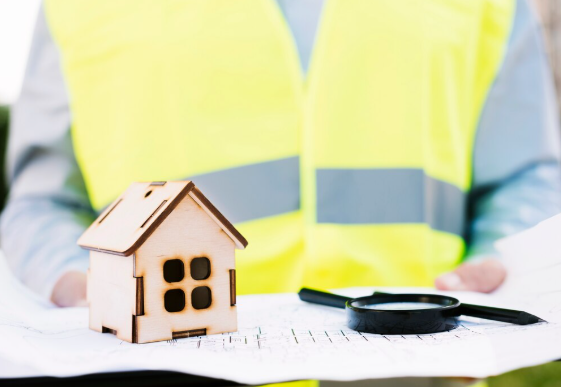
Securing a home is more than just acquiring walls and a roof; it’s about protecting your sanctuary from unforeseen threats. Property insurance is a critical aspect of homeownership, serving as a safety net against various risks. One integral process within this realm is the property insurance inspection, an evaluation that ensures the safety and security of your investment.
Understanding the Importance of Property Insurance Inspections
Every homeowner should be aware of the vital role that a property insurance inspection plays in safeguarding their residence. An inspection is not merely an administrative hurdle—it’s a thorough assessment conducted by or on behalf of an insurance company to evaluate the condition of a property and determine risk levels associated with insuring it. This process helps to confirm the details provided during policy application and identify potential risks that could lead to claims.
In essence, property insurance inspections serve multiple purposes:
- Verification of Details: Insurers confirm the accuracy of the information supplied by homeowners during the application process.
- Risk Identification: Inspections help detect potential safety hazards that could result in injuries or property damage.
- Assessment of Maintenance: Regular evaluations ensure that homes remain well-maintained, reducing the likelihood of claims.
These inspections are especially significant in today’s world where the nature of risks is constantly evolving due to environmental changes and advancements in technology. For homeowners, understanding this process is essential as it can have direct implications for their insurance policy, premium rates, and overall peace of mind.
When Do Property Insurance Inspections Occur?
Property insurance inspections can occur at various stages throughout the lifecycle of a homeowner’s insurance policy. Triggers for inspections include:
- Purchasing a New Policy: New homeowners or those switching insurance providers will likely face an inspection.
- Policy Renewals: Some providers may require inspections to ensure details remain up-to-date.
- Filing Claims: A claim might act as a catalyst for an inspection to assess potential risks and damages.
- Significant Home Modifications: Additions or renovations often prompt a review to re-evaluate coverage.
Initial inspections typically occur within the first month or two of coverage initiation. However, insurers may also require follow-up evaluations for longstanding policies, especially if a home is older than 40 years or if significant risks have been identified.
Understanding What Inspectors Assess
The focus areas for property insurance inspections tend to revolve around safety and risk mitigation. Inspectors evaluate various elements of the home that are likely to impact insurance coverage and premiums. Common areas of assessment include:
- Roof Condition: Inspectors look for age, missing shingles, and potential leaks.
- Plumbing Systems: Issues like leaks, corrosion, and outdated materials can raise red flags.
- Electrical Systems: Any exposed wiring or outdated panels are serious concerns.
- Foundation and Structure: Inspectors check for cracks and settling, which could lead to larger issues.
Understanding what inspectors evaluate helps homeowners prepare for the process. For instance, addressing known issues before the inspection can lead to more favorable results. Creating a checklist of areas to check or repair prior to the inspection date can enhance preparedness.
Common Mistakes to Avoid During the Inspection Process
You can prepare your property for inspection but beware of common pitfalls that could impact the outcome:
- Ignoring Repairs: Failing to address issues like a leaking roof or damaged fence can lead to unfavorable inspection results.
- Non-Compliance with Safety Standards: Lack of smoke detectors or security features may negatively influence coverage terms.
- Overlooking Access Areas: Ensure that attics, basements, and utility spaces are accessible for inspectors.
By avoiding these missteps, homeowners can set the stage for a successful inspection outcome, potentially easing their interactions with insurance companies.
Impact of Inspection Results on Homeowners’ Premiums
The findings from a property insurance inspection can profoundly impact a homeowner’s insurance premiums. Depending on what inspectors uncover, various actions may occur:
- No Change: If everything checks out, the premium might remain unchanged.
- Increased Premium: Discovering hidden damages or risks can lead to a rate hike.
- Discounts: Homes with updated safety features may benefit from reduced rates.
It’s crucial to recognize that well-maintained properties equipped with modern safety systems typically qualify for better insurance rates, underscoring the importance of regular home maintenance and updates.
| Inspection Outcome | Potential Actions | Effect on Premium |
|---|---|---|
| No Major Issues Found | No changes required | No change |
| Minor Repairs Needed | Request for minor fixes within a timeline | Possible reduction if repairs are made |
| Major Risks Identified | Premium increase or policy cancellation | Increased costs |
For professional guidance throughout the property insurance process, consider reaching out to EM Professional Services, where experts can assist you in making informed decisions about your home insurance needs.