
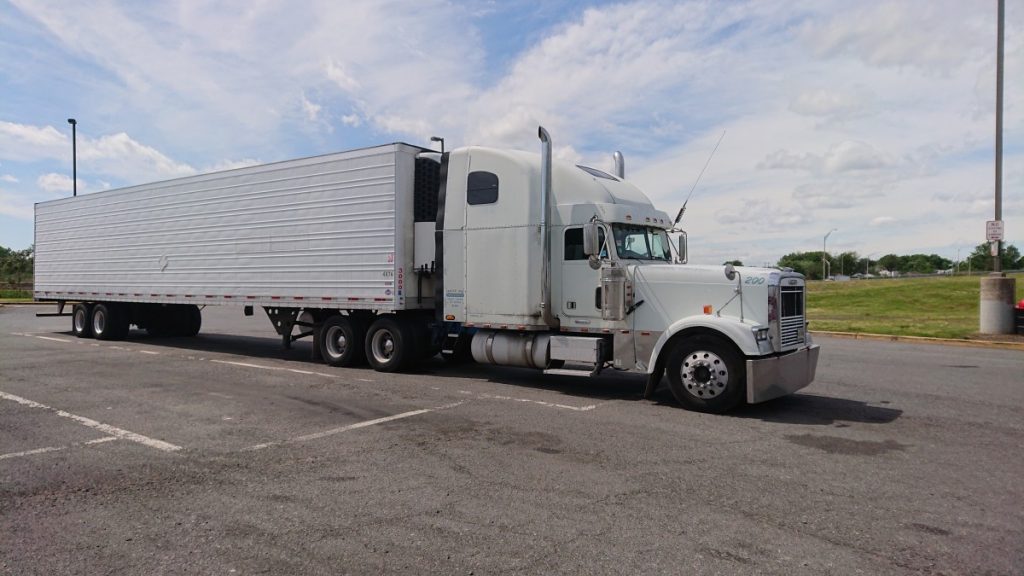
Moving to a new place can be an exciting adventure, but it often comes with a fair share of stress, especially when it comes to calculating the costs. If you’re considering moving your belongings by container, it’s essential to understand how to calculate the price per cubic meter (m³) and what factors influence this cost. In this guide, we’ll break down the process of determining the cost of moving by container, helping you budget effectively for your next relocation.
The Basics of Container Moving
1. Choosing Container Services
The first step in container moving is selecting a reputable moving company that offers container services. These companies typically provide various container sizes to accommodate your belongings. Choose the one that best suits your needs.
2. Measuring Your Belongings
To calculate the cost per m³, you’ll need to measure the volume of your belongings. This involves determining the length, width, and height of the items you plan to move. It’s essential to be as accurate as possible to avoid underestimating or overestimating the required space.
3. Estimating Weight and Volume
The cost of container moving is often influenced by both weight and volume. Some moving companies charge based on weight, while others consider volume. Your choice of items and their size will determine the final cost.
The Calculation Process
4. Determining the Volume
To calculate the volume of your belongings in cubic meters (m³), use the formula: Volume (m³) = Length (m) x Width (m) x Height (m). Be sure to use the same unit of measurement throughout to maintain accuracy.
5. Estimating the Cost
Once you’ve determined the volume of your items, contact your chosen moving company for their rates. Most companies will provide a price per m³, which you can then multiply by your calculated volume to find the total cost.
Factors Affecting Costs

6. Distance and Location
The distance between your current location and your new destination plays a significant role in the overall cost. Longer distances usually result in higher fees. Additionally, moving to or from remote or less accessible areas may incur additional charges.
7. Container Size
The size of the container you choose can impact costs. Smaller containers are generally more affordable but may require multiple trips if your belongings don’t fit in a single load. Larger containers, while costlier, may provide cost savings by reducing the number of trips needed.
Additional Services
8. Packing and Unpacking
Many moving companies offer packing and unpacking services for an extra fee. If you prefer a hassle-free move, these services can be convenient but will add to the overall cost.
9. Insurance
Consider purchasing insurance for your belongings during transit. While it adds to the cost, it provides peace of mind in case of unexpected accidents or damages.
Bargaining and Negotiating
10. Requesting Quotes
To ensure you get the best deal, request quotes from multiple moving companies. This allows you to compare prices and negotiate with the companies to secure a more favorable rate.
Special Considerations
11. Time of Year
The time of year can also affect moving costs. Moving during the off-peak season may lead to lower prices compared to the busy summer months when demand is high.
12. Customization
Moving costs can be customized to fit your specific needs. Some companies offer tailored services, allowing you to choose the level of assistance that suits your budget.
In summary, calculating the cost of moving by container per m³ involves measuring the volume of your belongings and obtaining quotes from moving companies. The total cost is influenced by factors such as distance, container size, additional services, insurance, and the time of year. To make an informed decision, request multiple quotes and consider customization options. With careful planning and budgeting, your container move can be a smooth and cost-effective experience.