
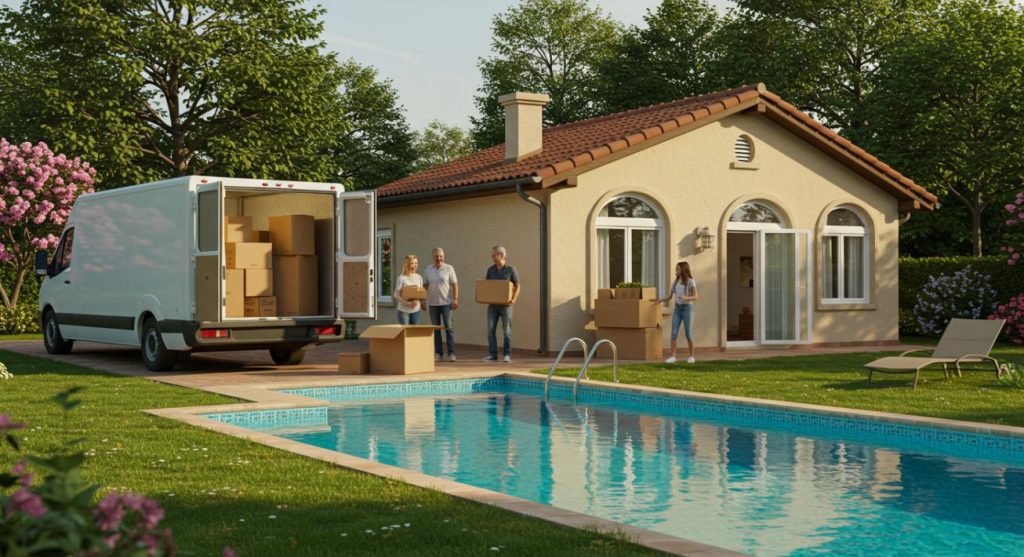
When moving into a new home, homeowners often focus on the logistics of packing and transportation. However, there’s an essential aspect that can affect both the value and enjoyment of your property: the condition of pool tiling. Whether you already own a home with a pool or are considering installing one, understanding the state of the tiling is crucial. The right tile not only enhances the aesthetic appeal of your pool area but also plays a vital role in its durability and long-term maintenance. In places like Orange County, California, where outdoor spaces are an extension of the home, well-maintained pool tiling can transform both the look and functionality of your backyard. This article explores the important aspects of pool tiling, including design choices, materials, common issues, and maintenance tips, so you can factor it into your moving plans.
Understanding Pool Tile Materials for Long-Term Value and Durability
Choosing the right tile material significantly impacts the overall appeal and long-term performance of your pool. There are various tile options, each offering unique benefits that suit different pool types and climates. Whether you are moving into a home with an existing pool or planning a new installation, familiarizing yourself with key tile materials will help you make an informed decision.
Porcelain and Ceramic Tiles
Porcelain and ceramic tiles are popular choices due to their durability and versatility. These materials resist chemicals, fading, and staining, which is essential in the harsh aquatic environment of a pool. With a low water absorption rate, they also help prevent frost damage, which can occur in climates with cooler nights. Furthermore, these tiles come in a wide range of colors and patterns, allowing for customization to suit any style.
Glass Tiles
Glass tiles are known for their luxurious shine, adding a reflective brilliance to pool surfaces. They are particularly stunning in sunny climates, like that of Southern California. While they are more expensive, their beauty and ability to create intricate mosaic designs make them a desirable option for homeowners looking for something unique. Glass tiles are also resistant to stains and chemicals, ensuring their longevity.
Natural Stone Tiles
Stone tiles, such as slate, travertine, and limestone, are popular for their earthy and rustic look. These tiles are highly slip-resistant, making them ideal for pool decks. However, they require regular sealing to prevent damage from chemicals and the weather, which adds to their maintenance needs.
Mosaic Tiles
Mosaic tiles offer the ultimate in customization. Whether made from glass, ceramic, or stone, they allow homeowners to create personalized designs, highlight pool features, or add decorative accents. Their versatility makes them perfect for upscale neighborhoods where artistic and creative poolscapes are common.
Key Considerations for Choosing Pool Tiles
When choosing tiles for your pool, consider the following factors to ensure you make the best decision:
- Pool Type: In-ground, vinyl liner, fiberglass, or concrete pools all have different tile compatibility.
- Climate: Temperature fluctuations and UV exposure require durable, UV-resistant tiles.
- Maintenance Needs: Some materials require sealing or specialized cleaning.
- Aesthetic Preferences: Make sure the material suits your design goals and complements your outdoor space.
- Safety: Consider tiles with slip-resistant features to prevent accidents.

Inspecting Pool Tiling During a Move
When evaluating a property during a move, it’s easy to overlook the condition of pool tiling. However, damaged or poorly installed tiles can lead to significant maintenance costs and impact the pool’s structural integrity and appearance.
Common Signs Pool Tiles Need Repair
- Cracked or Chipped Tiles: These may be caused by temperature changes, impacts, or chemical exposure and can compromise the waterproof barrier.
- Loose or Missing Tiles: This often points to problems with the adhesive or underlying pool surface.
- Discoloration or Staining: Imbalances in pool chemistry or UV exposure can result in unsightly stains.
- Grout Deterioration: Weakened grout can lead to water infiltration and further tile damage.
Addressing these issues early can save you from costly repairs and prevent the inconvenience of prolonged pool downtime. Additionally, a well-maintained pool can enhance the property value, especially in competitive real estate markets.
Installation Issues to Look Out For
- Incorrect Adhesive: Pool tiles need adhesives that can withstand underwater conditions and chemical exposure. Using the wrong adhesive can cause tiles to detach.
- Expansion Joints: Without proper expansion joints, tiles may crack or come loose due to temperature changes.
- Structural Movement: Shifting ground or settling can cause tiles to fail, signaling more serious foundation issues.
- Waterproofing Failures: Without waterproof membranes, water can seep through the tiles and cause damage to the pool’s structure.
Pool Tile Design Trends and Customization
In 2025, pool tile design is moving towards luxury, innovation, and personal expression. Today, pools are seen as not just recreational spaces but also as architectural features that can greatly enhance the outdoor living experience. Here are some design trends to consider:
Popular Tile Design Features:
- Waterline Tile Bands: Tiles placed at the waterline not only protect the pool’s edges from chemical and temperature damage but also create a visual division between the pool and deck.
- Accent Tiles: These are often used to highlight features such as pool steps or benches. They add both safety and style.
- Spotter Tiles: Small, colorful tiles placed in the pool to indicate depth changes. These also act as a safety feature.
- Mosaic Designs: Custom mosaic tiles can turn your pool into a unique work of art, whether you opt for abstract patterns or aquatic motifs.
When moving, the condition of your pool tiling can significantly impact both the enjoyment and value of your property. Don’t overlook this essential aspect in your relocation plans. Whether you’re considering repairs, maintenance, or complete replacement, it’s wise to consult a pool renovation expert to ensure the highest quality results. Prioritize pool tile inspection and maintenance as part of your moving checklist to avoid unexpected costs and maximize the aesthetic and functional appeal of your pool.
Contact a professional pool resurfacing expert today to give your pool the care it deserves!
https://www.youtube.com/watch?v=S_4vdOIKg2Y