
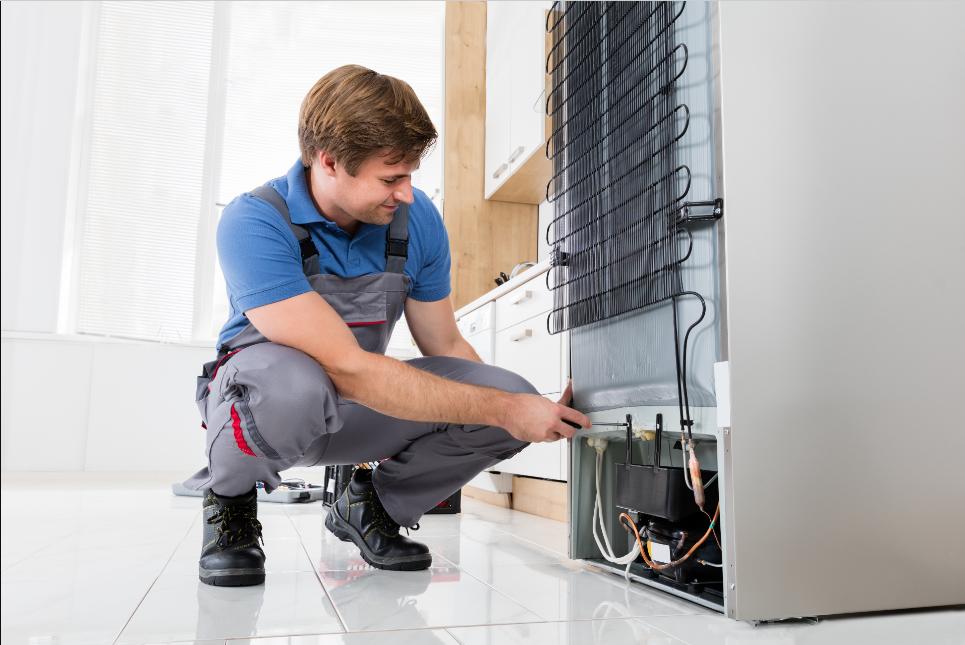
Relocating your home can be a whirlwind of activity, particularly when dealing with bulky appliances like refrigerators. After moving, it’s common for your refrigerator to experience hiccups due to shifts during transportation. This guide will walk you through effective solutions to get your fridge back to optimal performance quickly and safely.
Why Your Refrigerator Might Malfunction After a Move
Before diving into repairs, it’s essential to grasp what causes refrigeration issues post-move. Moving stacks stress on the appliance’s inner components, including the compressor and coolant system. A frequent culprit is the displacement of compressor oil, which needs time to settle.
Additionally, shock from sudden jolts or tilting during relocation can lead to leaks or damage to sensitive parts. Powering on the fridge too soon after it has been moved can result in operational failures or long-term harm. Addressing these potential problems with care ensures your refrigerator’s longevity and reliability.
Signs Your Refrigerator Needs Attention
Look out for symptoms such as unusual noises, insufficient cooling, or erratic temperature fluctuations. These indicate that the internal components aren’t functioning properly and require your intervention. Early diagnosis can prevent costly repairs and maintain food safety.
The Importance of Letting Your Fridge Settle
After relocating, always allow your appliance to rest upright for several hours, usually around 4 to 6 hours. This waiting period enables compressor oil and refrigerant to redistribute correctly, preventing mechanical failures. Patience during this stage is a small price for long-term peace of mind.
Step-by-Step Methods to Restore Your Refrigerator
Now that you understand the reasons behind potential issues, here’s a straightforward process to revive your refrigerator efficiently after a move.
Step 1: Inspect and Clean Your Fridge Thoroughly
Start by unplugging the fridge and removing all contents. Clean inside using a solution of baking soda and water to eliminate odors and residual moisture, which can cause mold growth. Check for any visible damage such as dents or leaks on hoses and seals, addressing minor issues promptly.
Step 2: Check and Reset Temperature Controls
Review your refrigerator’s thermostat settings and reset them to manufacturer recommendations. Sometimes, accidental adjustments during moving can alter these controls. Allow the appliance to stabilize at the right temperature and monitor for consistent cooling.
Step 3: Examine the Power Supply
Ensure that the refrigerator is connected to an appropriate power outlet with no voltage fluctuations. Faulty power sources often contribute to operational inconsistencies. If necessary, consult an electrician to verify the electrical setup for safety.
Step 4: Listen for Compressor and Fan Operation
After connecting the fridge, listen for the compressor humming and fans running smoothly. Any unusual sounds may signal internal issues like faulty motor function or refrigerant problems. If you hear persistent clicking or loud noises, professional intervention might be required.
When to Call a Professional Repair Service
While DIY fixes cover many minor setbacks, some situations demand expert handling. If your refrigerator exhibits continuous malfunction after these steps, such as failing to cool properly or showing signs of coolant leakage, it’s vital to enlist skilled technicians.
Specialists possess the tools and knowledge to diagnose compressor defects, seal leaks, or replace damaged electronic components. Promptly addressing these issues reduces the risk of total appliance failure and extends your fridge’s lifespan.
How Professional Services Add Value
Aside from technical repairs, professionals offer essential advice on maintenance and can help troubleshoot future concerns. They also assist in verifying that your refrigerator adheres to manufacturer guidelines post-move, ensuring your warranty remains valid.
Choosing the Right Repair Company
Select a trusted local service with years of experience in appliance repairs. Family-owned companies often prioritize customer satisfaction and provide personalized care. Remember to check for free estimates and comprehensive service options to get the best value for your investment.
Maintaining Your Refrigerator for Long-Term Efficiency
Once your fridge is back in working order, preventive care is key to enjoying optimal performance. This includes regular cleaning, correct temperature settings, and ensuring proper ventilation around the appliance.
Additionally, avoid frequent unplugging and keep the door seals tight and intact. Promptly address minor problems before they escalate and consider periodic professional inspections to maintain efficiency.
This maintenance schedule promotes appliance longevity and keeps your refrigerator running like new, saving money and avoiding inconvenient breakdowns.
| Maintenance Task | Frequency | Benefits |
|---|---|---|
| Interior Cleaning | Monthly | Prevents odors and mold growth |
| Check Door Seals | Every 3 months | Maintains airtight closure for energy efficiency |
| Temperature Calibration | Quarterly | Ensures proper food preservation |
| Condenser Coil Cleaning | Every 6 months | Improves cooling performance and reduces energy usage |
| Professional Inspection | Annually | Early detection of mechanical issues |
For those embarking on a move, learning more about moving appliances safely alone and choosing the right transport vehicle, as detailed in this guide, enriches your preparation. Seniors planning relocations can benefit from useful tips on moving with ease. Additionally, understanding where to start when moving into a new place is outlined here, and those curious about appliance repair responsibilities in rentals can consult this resource.
https://www.youtube.com/watch?v=Ty-Sc_okdy4